Brooks Walking Shoes for Plantar Fasciitis: 6 Best Picks for 2026
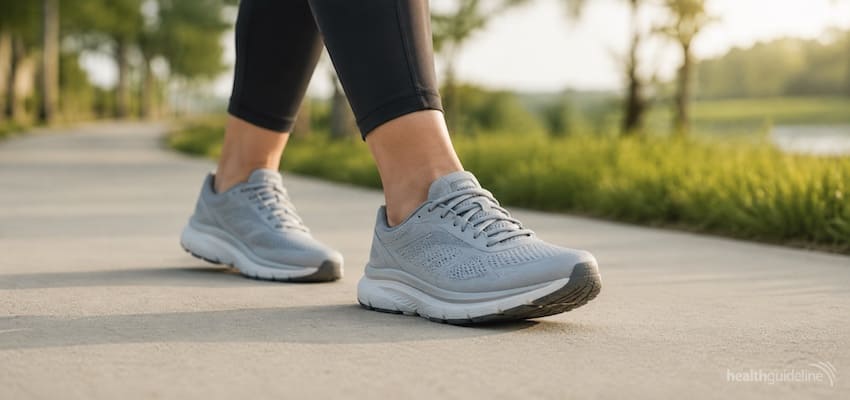
The Brooks Addiction Walker 2 is the best all-round choice for most people with plantar fasciitis, because it combines strong arch support, motion control and a slip-resistant sole in a true walking shoe. Also great: the Adrenaline GTS 24 for mild-to-moderate overpronation, and the Ghost Max 2 for maximum cushioning on all-day standing.
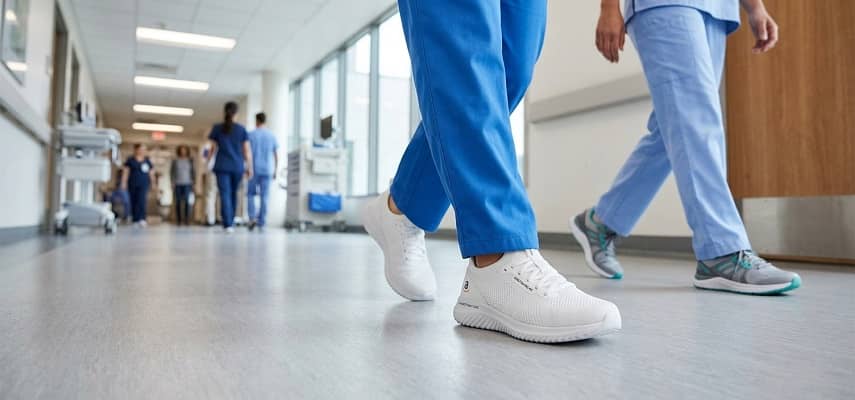
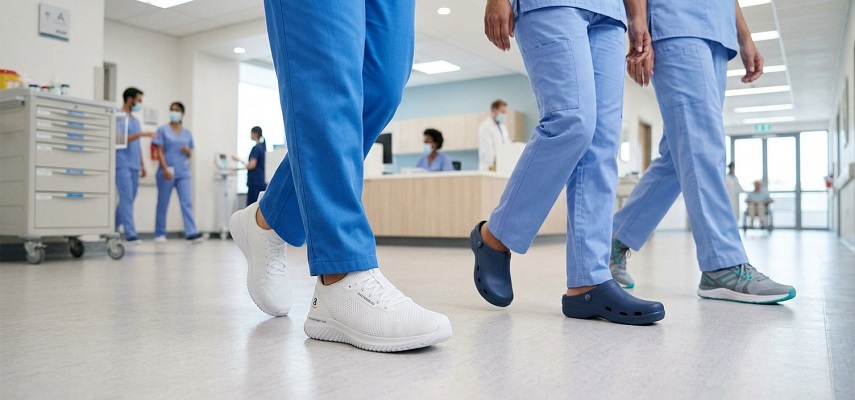
If heel pain hits with your first steps in the morning, the right shoe can make walking bearable again. Brooks is one of the brands podiatrists most often point to for plantar fasciitis, largely because its walking and stability shoes deliver the three things that matter most: supportive arches, shock-absorbing cushioning and structure that keeps your foot aligned. This guide compares six Brooks models that are currently sold on Amazon in the US, explains who each one suits, and is honest about who should skip them. If you want a broader view across brands, see our best shoes for plantar fasciitis guide; if you’re on your feet for 12-hour shifts, start with shoes for nurses with plantar fasciitis.
How we chose
We focused on Brooks models that address plantar fasciitis the way clinicians recommend: adequate arch support, cushioning that softens heel impact, and structure matched to your gait. For each shoe we confirmed it is a real product currently listed on Amazon (US), then prioritised support type (neutral, stability or motion control), heel-to-toe drop, roominess and orthotic compatibility, and slip resistance for work. Specs and availability were cross-checked against Brooks’ own listings, retailer pages and independent shoe-testing reviews. We include honest cons and a “who it’s not for” on every pick, and we do not quote fixed prices — check the live listing, since prices change often.
Top picks at a glance
| Model | Support type | Best for | Standout feature | Approx. price* | Widths |
|---|---|---|---|---|---|
| Addiction Walker 2 Best overall | Motion control | Overpronation, work, all-day walking | Rollbar support + slip-resistant leather | ~$110–$150 | Medium → Extra-wide (2E/3E) |
| Adrenaline GTS 24 Best stability | Stability | Mild–moderate overpronation | GuideRails + 12 mm drop | ~$100–$140 | Narrow → Extra-wide |
| Ghost Max 2 Best for standing | Neutral (max cushion) | All-day standing, roomy fit | Rocker sole + 6 mm drop | ~$100–$150 | Regular → Extra-wide |
| Glycerin 22 Softest ride | Neutral (plush) | Impact-sensitive neutral walkers | Softest DNA Loft v3 foam | ~$125–$165 | Regular → Wide |
| Ghost 16 Best value | Neutral (balanced) | Everyday walking on a budget | Do-it-all cushioning, often discounted | ~$80–$140 | Regular → Wide |
| Beast / Ariel GTS 26 Max control | Max motion control | Severe overpronation, heavier walkers | Oversized GuideRails, widest base | ~$150–$170 | Regular → Wide |
01 / BEST OVERALL FOR WALKING
Brooks Addiction Walker 2
The Addiction Walker 2 is Brooks’ dedicated walking shoe and the most complete choice for plantar fasciitis. Its Extended Progressive Diagonal Rollbar and firm arch support help control overpronation, while BioMoGo DNA cushioning softens heel impact. A certified slip-resistant sole and removable insole make it ideal for long days on hard floors and for custom orthotics.
Key features
- Full-grain leather upper
- Extended Progressive Diagonal Rollbar (PDRB) for motion control
- BioMoGo DNA cushioning
- certified slip-resistant outsole
- removable footbed that fits custom orthotics
- APMA Seal of Acceptance
- PDAC A5500 diabetic-certified
- widths from medium (B/D) to extra-wide (2E/3E).
Pros
- Strong arch support and pronation control
- Roomy width options, including extra-wide
- Durable leather that suits work dress codes
- Slip-resistant and orthotic-friendly
Cons
- Heavier and warmer than a mesh trainer
- Less breathable; a step up in price
- Can feel like “too much shoe” for a neutral gait
Best for: Overpronators and flat feet; nurses, healthcare and retail workers; anyone standing or walking all day, or using custom orthotics.
Who it’s not for: Neutral or supinating walkers who want a light, airy shoe.
02 / BEST STABILITY (AND MOST POPULAR)
Brooks Adrenaline GTS 24
The Adrenaline GTS 24 is Brooks’ best-selling stability shoe and a podiatrist favourite for plantar fasciitis. Its GuideRails keep your stride aligned without a rigid medial post, nitrogen-infused DNA Loft v3 foam cushions each step, and a 12 mm heel-to-toe drop shifts load away from the heel and plantar fascia. It works equally well for walking or easy runs.
Key features
- GuideRails holistic support system
- DNA Loft v3 cushioning
- 12 mm drop
- breathable engineered mesh upper
- four width fittings (narrow to extra-wide)
- APMA-accepted. The newer Adrenaline GTS 25 is also available
- the GTS 24 is widely discounted.
Pros
- Well-balanced support and cushioning
- Controls mild-to-moderate overpronation
- Breathable, with several widths
- Excellent value when on sale
Cons
- Primarily a running shoe (still fine for walking)
- GuideRails can feel like too much for a neutral gait or supinators
- Not a maximal-cushion shoe
Best for: Mild-to-moderate overpronation; run-walk crossover; anyone wanting proven, do-everything support. Not sure about your gait? See neutral vs stability running shoes.
Who it’s not for: Strong supinators or neutral runners who dislike guidance, or anyone wanting the softest possible ride.
03 / BEST CUSHIONING FOR STANDING ALL DAY
Brooks Ghost Max 2
The Ghost Max 2 pairs a tall stack of soft DNA Loft v3 foam with a GlideRoll Rocker and a lower 6 mm drop — a combination Brooks specifically highlights for easing strain on the plantar fascia. A broad base and roomy Linear Last add stability and space for wider feet or orthotics, making it a standout for long hours on your feet.
Key features
- High stack of nitrogen-infused DNA Loft v3
- GlideRoll Rocker for smooth heel-to-toe transitions
- 6 mm drop
- broad, stable base with raised sidewalls
- roomy Linear Last that accommodates orthotics
- APMA-accepted
- PDAC A5500 diabetic-certified. Newer Ghost Max versions exist
- the 2 remains widely available and discounted.
Pros
- Plush, protective cushioning for standing and long walks
- Rocker sole eases transitions and reduces ankle strain
- Roomy fit; accommodates orthotics and wider feet
- Stable despite the tall stack
Cons
- Tall, soft ride can feel less “connected” to the ground
- Heavier than a standard trainer
- The 6 mm drop is an adjustment if you’re used to 12 mm
- Neutral support only
Best for: All-day standing; smooth, low-effort transitions; roomy or orthotic-friendly fit; neutral gait wanting maximum cushion.
Who it’s not for: Overpronators needing structured support, or anyone wanting a low, firm, ground-feel shoe.
04 / SOFTEST, MOST CUSHIONED RIDE
Brooks Glycerin 22
If you want Brooks’ softest, most luxurious cushioning, the Glycerin 22 is it. A high stack of the newest DNA Loft v3 foam delivers pillowy, comfort-first steps that take the edge off hard surfaces — a good match for neutral walkers whose plantar fasciitis flares from repeated impact rather than from overpronation.
Key features
- Premium nitrogen-infused DNA Loft v3 in a softer tune
- roughly 38 mm heel stack
- about a 10 mm drop
- smooth transitions
- plush step-in feel
- genuine wide-fit options.
Pros
- Exceptionally soft and comfortable underfoot
- Great for impact-sensitive feet on hard ground
- Premium materials and finish
- Wide sizes available
Cons
- Priciest of the cushioned neutrals
- Soft foam gives less support to overpronators
- Not a stability shoe
Best for: Neutral gait; comfort-first walkers; heel-strike or hard-surface sensitivity.
Who it’s not for: Overpronators or flat feet needing support, and anyone who prefers a firm, responsive ride.
05 / BEST EVERYDAY VALUE
Brooks Ghost 16
The Ghost 16 is Brooks’ most popular neutral trainer and the value pick here. With the Ghost 17 now out, the 16 sells at steep discounts while offering the same do-everything blend of DNA Loft v3 cushioning and smooth transitions that works well for daily walking with plantar fasciitis — comfortable, breathable and easy to live in.
Key features
- DNA Loft v3 cushioning
- Segmented Crash Pad for smooth heel-to-toe transitions
- roughly 35 mm heel stack with a 12 mm drop
- breathable engineered mesh
- durable RoadTack outsole
- APMA-accepted
- PDAC A5500 diabetic-certified
- available in wide widths. At the time of writing it holds around 4.6 stars across more than 4,800 Amazon reviews.
Pros
- Balanced, versatile cushioning for walking and easy runs
- Light and breathable
- Frequently discounted as previous-generation stock
- Consistently strong reviews
Cons
- Neutral only — no pronation support
- Previous generation (Ghost 17 is current): a plus for price, not for “latest”
Best for: Neutral gait; everyday walking; budget-minded buyers who want a reliable do-it-all shoe.
Who it’s not for: Overpronators or flat feet, and anyone wanting maximal cushioning.
06 / BEST FOR SEVERE OVERPRONATION
Brooks Beast GTS 26 (men) / Ariel GTS 26 (women)
For the most stability Brooks makes, the Beast (men) and Ariel (women) GTS 26 use oversized GuideRails and a wide, firm base to control severe overpronation. With DNA Loft v3 cushioning and a 12 mm drop, it’s built for heavier walkers and flat feet who need maximum motion control and a planted, secure feel on long days.
Key features
- Maximum GuideRails support
- wide, stable base
- DNA Loft v3 cushioning
- 12 mm drop
- roughly 38 mm heel stack
- RoadTack outsole
- structured, roomy fit. Men’s model is the Beast
- women’s is the Ariel. Earlier GTS versions can offer savings.
Pros
- Highest level of motion control Brooks offers
- Very secure, planted feel
- Supportive for heavier or flat-footed walkers
- Comfortable for long periods of standing
Cons
- Heavy (around 12.5 oz men’s / 11.2 oz women’s)
- Firm and less responsive
- Most expensive pick here
- Overkill for a neutral or mildly pronating gait
Best for: Severe overpronation; flat feet; heavier walkers; anyone who wants the most support and control. Also see running shoes for women with flat feet.
Who it’s not for: Neutral or mild pronation, and anyone wanting a light, nimble or soft shoe.
What to look for in a walking shoe for plantar fasciitis
The best shoe depends on your foot and your gait, but a few features matter for almost everyone with plantar fasciitis.
Support matched to your gait
Neutral cushioned shoes (Ghost, Glycerin, Ghost Max) suit feet that don’t roll inward much. Stability shoes (Adrenaline GTS) gently correct mild-to-moderate overpronation, and motion-control shoes (Addiction Walker, Beast/Ariel) are for flat feet and heavy overpronation. Matching support to your gait matters more than any single spec — our neutral vs stability guide explains how to tell which you are.
Cushioning and shock absorption
Ample cushioning under the heel reduces the repeated impact that irritates the plantar fascia. Brooks’ DNA Loft and BioMoGo DNA foams are designed to soften landings without collapsing.
Heel-to-toe drop
A higher drop (around 12 mm, as on the Adrenaline GTS) tips your weight slightly forward, off the heel. Some people instead prefer a lower drop combined with a rocker sole (the 6 mm Ghost Max) to reduce how hard the foot’s soft tissues have to work. Both approaches can help; comfort is the test.
Heel counter, toe box and fit
Look for a firm, structured heel counter to cradle the heel, a toe box roomy enough to avoid crowding, and the correct width. If you use custom orthotics, choose a shoe with a removable insole, like the Addiction Walker 2 or Ghost Max 2. You can also pair any of these with dedicated plantar fasciitis insoles.
Slip resistance for work
If you’re on hard floors all shift, a certified slip-resistant outsole (the Addiction Walker 2) adds safety. For more workplace options, see our guides to shoes for healthcare workers and slip-resistant work shoes.
About plantar fasciitis (and how shoes fit in)
Plantar fasciitis is inflammation of the plantar fascia, the thick band of tissue that runs along the bottom of the foot and connects the heel bone to the toes, supporting the arch. It is the most common cause of heel pain, and the classic sign is a sharp, stabbing pain with your first steps in the morning that often eases as you move, then returns after long periods of standing or after getting up from sitting. Risk factors include being on your feet all day, flat feet or high arches, higher body weight, and wearing unsupportive shoes on hard surfaces.
Most cases improve with conservative care over several months. According to the Mayo Clinic, that typically means resting the foot, icing the painful area, stretching the calf and plantar fascia, and wearing supportive shoes with adequate arch support instead of going barefoot. Supportive footwear is a first-line self-care step, not a cure — it complements stretching, orthotics where appropriate, and other measures your clinician may suggest, such as a night splint or compression socks. Prefer sandals in warm weather? See sandals for plantar fasciitis.
When to see a professional
See a doctor, podiatrist or physical therapist if your heel pain is severe, doesn’t improve after a few weeks of self-care, follows an injury, or comes with numbness, tingling, significant swelling, redness or fever. A clinician can confirm the diagnosis (often without X-rays), rule out other causes such as a stress fracture, and advise whether over-the-counter or custom orthotics are right for you. Early attention tends to make plantar fasciitis easier to resolve.
Frequently asked questions
Are Brooks shoes good for plantar fasciitis?
Yes — Brooks is one of the brands podiatrists most often recommend for plantar fasciitis. Its walking and stability shoes combine cushioning that softens heel impact, arch support, and structure like GuideRails and rollbars that keep the foot aligned. The right model still depends on your gait and fit, and shoes work best alongside stretching and other care.
Which Brooks shoe is best for plantar fasciitis?
For most people the Addiction Walker 2 is the best all-round choice, because it’s a true walking shoe with strong support, motion control and a slip-resistant sole. Choose the Adrenaline GTS 24 for mild-to-moderate overpronation, the Ghost Max 2 for maximum cushioning, or the Beast/Ariel GTS 26 for severe overpronation and heavier walkers.
Is the Brooks Ghost or Adrenaline better for plantar fasciitis?
It depends on your gait. The Ghost is a neutral cushioned shoe, best if your feet don’t roll inward much. The Adrenaline GTS adds GuideRails support to correct mild-to-moderate overpronation. If you overpronate or have flat feet, the Adrenaline is usually the better pick; if you have a neutral gait, the Ghost may feel more natural.
Can I use running shoes for walking if I have plantar fasciitis?
Yes. Supportive running shoes such as the Adrenaline GTS, Ghost or Glycerin are widely used for walking and all-day wear. The cushioning, arch support and structure that help runners also help walkers. If you only walk and want a purpose-built option, a dedicated walking shoe like the Addiction Walker 2 is ideal.
How often should I replace my walking shoes for plantar fasciitis?
Replace them once the cushioning and support feel worn down — commonly around every 300–500 miles, or sooner if you notice compression, uneven wear or returning foot pain. Rotating between two pairs lets the foam recover between wears and can extend how long each pair stays supportive.
Can I put custom orthotics in Brooks shoes?
Often, yes. Models with a removable insole, such as the Addiction Walker 2 and Ghost Max 2, are designed to accept custom orthotics or over-the-counter arch supports. Remove the stock insole first so your orthotic sits flat, and check that the fit still feels secure, especially in the heel.
Medical disclaimer: This article is for general information only and is not medical advice. It does not diagnose plantar fasciitis or guarantee results from any product. Talk to a qualified healthcare professional about your specific situation before starting treatment or choosing footwear for a medical condition.