Copper Compression Socks: 5 Best Picks for 2026
2026 buying guide · compression, fit & evidence
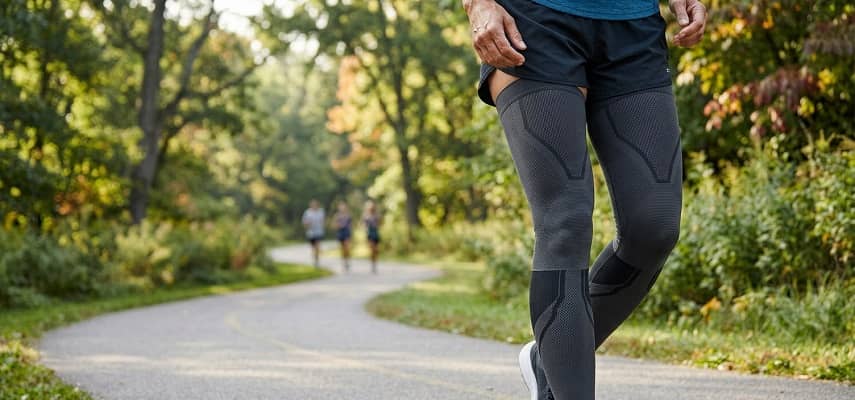
Copper compression socks are regular compression socks made with copper-infused yarn or fibers. The evidence-backed benefit comes from graduated compression, which can support venous blood return and reduce fluid buildup in the legs. Copper may have useful antimicrobial properties in some textiles, but there is no good clinical evidence that copper itself adds extra circulation, pain relief or healing.
Quick picks
Best overall
Copper Fit Energy
Graduated, knee-high support with an easy-on/easy-off design, cushioned footbed and copper-infused fabric.
Firm compression
NEENCA 20–30 mmHg
A firmer single-pair option with a clearly stated 20–30 mmHg rating and copper-infused fiber.
Best 3-pack value
FuelMeFoot
Three pairs with 15–20 mmHg compression and a stated 5% copper-fiber content.
How we chose these copper compression socks
We checked current U.S. Amazon listings and, where available, manufacturer pages for products that are explicitly sold as copper-infused compression socks. We prioritized a clear compression rating, sizing information, pack value, ease of use and product construction. We did not treat marketing claims about copper improving circulation, healing injuries or reducing inflammation as proven benefits.
Do copper compression socks actually work?
Yes as compression socks; not because copper has been shown to improve circulation. Compression socks apply external pressure to the lower legs, which can reduce blood pooling and fluid buildup. Cleveland Clinic notes that compression stockings can increase circulation, decrease swelling and reduce blood pooling. The amount of pressure is normally expressed in millimeters of mercury (mmHg).
What the copper evidence really says
Copper-impregnated textiles have shown antimicrobial activity and reduced microbial load in some healthcare studies. That is relevant to fabric hygiene, but it does not prove that copper socks improve blood flow, heal injuries, prevent fungal infections or relieve arthritis pain better than otherwise similar non-copper compression socks.
A randomized placebo-controlled trial of copper bracelets for rheumatoid arthritis found no meaningful therapeutic effect on pain or inflammation. That trial was not about socks, but it is a useful reminder that broad copper-based pain claims should not be assumed from the material alone.
Bottom line: Choose copper compression socks for their compression level, fit, comfort and construction. Treat copper as a fabric feature, not as a proven medical treatment.
Best copper compression socks at a glance
| Product | Our category | Compression | Pack | Main tradeoff |
|---|---|---|---|---|
| Copper Fit Energy | Best overall | Graduated; exact mmHg not clearly stated on the main listing | 1 pair | Less useful if you need a prescribed mmHg level |
| NEENCA Professional | Best firm compression | 20–30 mmHg | 1 pair | Firm compression can be harder to put on |
| FuelMeFoot | Best 3-pack value | 15–20 mmHg | 3 pairs | Only two main size options on the listing |
| Iseasoo | Best large multipack | 15–20 mmHg | 8 pairs | Only two main size options |
| BLUEENJOY | Best 6-pair variety pack | Listing describes graduated support but does not clearly state a standardized mmHg value | 6 pairs | Compression strength is less transparent |
The five copper compression sock profiles
01 / BEST OVERALL
Copper Fit Easy On/Off Energy Compression Socks
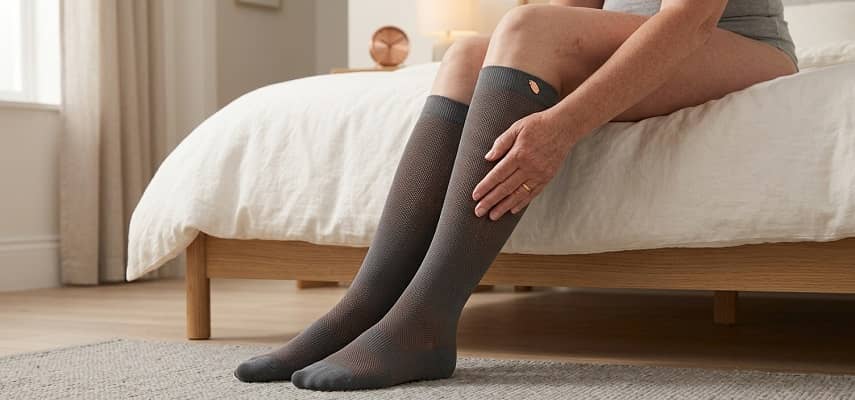
Copper Fit is the most balanced pick here for shoppers who want knee-high graduated compression but dislike wrestling with very tight hosiery. The current listing emphasizes an easy-on/easy-off design, cushioned footbed, arch support, moisture-wicking fibers and copper-infused fabric for odor control. It is the easiest starting point in this group if you do not need a clinician-specified mmHg rating.
Key features
- Knee-high graduated compression
- Easy-on/easy-off construction
- Cushioned footbed and targeted arch support
- Moisture-wicking, copper-infused fabric
Pros
- Fewer donning hassles than many firm medical-style socks
- Foot cushioning is useful for standing and travel
- Wide range of listed sizes on Amazon
Cons
- Main listing does not clearly publish a standard mmHg rating
- Current ASIN is a single-pair option
- Not the right choice when a clinician has prescribed a specific compression pressure
Best for: Everyday standing, work or travel when you want graduated support and easier application.
Who it is not for: Anyone who needs a clearly prescribed 20–30 or 30–40 mmHg garment and should be fitted to that exact level.
02 / BEST FIRM COMPRESSION
NEENCA Professional Copper Compression Socks 20–30 mmHg
NEENCA is the clearest choice in this group when the actual pressure rating matters. The current Amazon listing specifies 20–30 mmHg firm compression and states that the fabric contains 24% copper-ion-infused fiber. That makes it easier to compare against a clinician’s recommendation than products that use vague terms such as “moderate” or “extra firm.”
Key features
- 20–30 mmHg firm compression
- 24% copper-ion-infused fiber stated on the current listing
- Knee-high coverage
- Single-pair format
Pros
- Transparent, standardized compression rating
- Useful for buyers specifically comparing firm 20–30 mmHg socks
- Copper content is more clearly disclosed than on many competitors
Cons
- Firm compression can be harder to pull on and remove
- A stronger level is not automatically better for every person
- Single pair costs more per wearing cycle than large multipacks
Pressure matters: Cleveland Clinic classifies 20–30 mmHg as firm compression. If you are using compression for a medical condition, get the correct pressure and size rather than simply choosing the strongest sock available.
Best for: Buyers who specifically want a firm, clearly labeled 20–30 mmHg copper-infused sock.
Who it is not for: People who have not been advised to use firm compression and find tight socks difficult to tolerate or apply.
03 / BEST 3-PACK VALUE
FuelMeFoot 3 Pack Copper Compression Socks
FuelMeFoot is the most practical value pick if you want multiple pairs without jumping to a six- or eight-pair bundle. The brand page lists 15–20 mmHg graduated compression and a material blend of 85% nylon, 10% polyester and 5% copper fiber. The current Amazon listing also offers numerous color combinations, but the main sizing choice is only S/M or L/XL.
Key features
- 15–20 mmHg graduated compression
- Three-pair bundle
- 5% copper fiber stated by the manufacturer
- Many listed color combinations
Pros
- Clear 15–20 mmHg specification
- Three pairs make rotation and washing easier
- Copper-fiber percentage is disclosed
Cons
- Main listing uses only S/M and L/XL size groups
- Brand marketing includes medical-sounding claims that go beyond what copper-specific evidence establishes
- Moderate compression may be insufficient if a clinician has prescribed a firmer level
Best for: Everyday rotation, work and travel when 15–20 mmHg is an appropriate level for you.
Who it is not for: Buyers who need more granular calf/ankle sizing or a prescribed firm compression level.
04 / BEST LARGE MULTIPACK
Iseasoo Copper Compression Socks 15–20 mmHg, 8 Pairs
Iseasoo offers the largest bundle in this shortlist. The current Amazon listing identifies the product as 15–20 mmHg compression and lists an 85% nylon, 10% polyester and 5% copper-fiber composition. If you wear compression socks most workdays, an eight-pair pack can make weekly rotation convenient, provided the two-size system fits your measurements well.
Key features
- 15–20 mmHg compression stated in the product title
- Eight-pair bundle
- 5% copper fiber stated on the listing
- Large selection of colors and patterns
Pros
- Best quantity for daily rotation
- Compression level and copper-fiber percentage are stated
- Many style options for work or casual wear
Cons
- Only two main size groups are shown on the current listing
- Eight pairs is unnecessary if you are still learning which compression and fit suit you
- Not appropriate when a different pressure level has been prescribed
Best for: Nurses, travelers and other frequent wearers who already know that 15–20 mmHg and this sizing system are comfortable for them.
Who it is not for: First-time compression-sock buyers who would be better served testing one or two pairs before committing to a large bundle.
05 / BEST 6-PAIR VARIETY PACK
BLUEENJOY Copper Compression Socks, 6 Pairs
BLUEENJOY is a six-pair value option with many color combinations and copper-infused, moisture-wicking fabric. Its limitation is transparency: the current product text describes graduated zones ranging from moderate to extra-firm support, but the listing does not clearly give a standardized mmHg range. That makes it less suitable for anyone who needs to match a prescribed pressure level.
Key features
- Six-pair bundle
- Copper-infused, moisture-wicking fabric
- Many listed color combinations
- Two primary size groups on the current listing
Pros
- Six pairs for easy weekly rotation
- Large pattern and color selection
- Wide top-band design is intended to reduce rolling
Cons
- No clear standardized mmHg rating on the main listing
- Only two main size groups are shown
- Marketing language about copper should not be read as clinical evidence
Best for: Value-focused shoppers who want a six-pair rotation and are choosing for everyday comfort rather than a prescribed mmHg level.
Who it is not for: Anyone who needs an exact, medically recommended compression rating.
What should you look for when buying copper compression socks?
1. Choose the compression level before the copper percentage
Compression strength is the specification that matters most. Cleveland Clinic lists common levels as mild (8–15 mmHg), moderate (15–20 mmHg) and firm (20–30 mmHg), while 30–40 mmHg is extra-firm and generally used with medical supervision. If you are treating swelling, venous disease, recovering after a procedure or have been given a specific prescription, use the pressure your healthcare professional recommends.
For a broader overview, see our compression socks guide and compression socks for swelling guide.
2. Fit is more important than a long list of health claims
A compression sock should feel snug and supportive, not painfully tight. Follow the exact brand’s chart and use ankle or calf circumference when the instructions call for it. A two-size system can be convenient, but it may not work as well for people with unusually narrow ankles, large calves or proportions that fall between sizes.
3. Decide whether you actually want copper
If the copper-infused fabric feels comfortable, manages odor well for you and the sock otherwise fits correctly, there is nothing wrong with choosing it. But do not pay a large premium expecting copper to treat arthritis, accelerate wound healing, prevent fungal infections or increase blood circulation by itself. The compression is doing the mechanical work.
4. Match the sock to your use case
- Standing jobs: prioritize comfort, moisture management, a non-rolling top band and a level you can tolerate for the whole shift.
- Travel: graduated knee-high socks are commonly used for long periods of sitting, but people at increased clot risk should ask a clinician about the right level and timing.
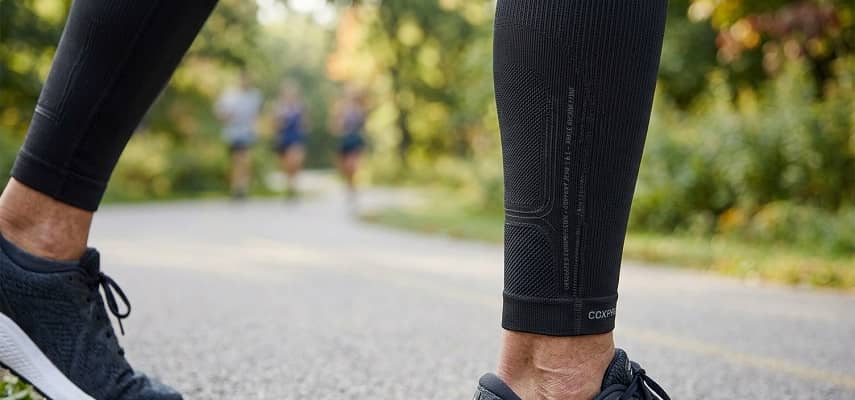
- Running: prioritize fit, blister prevention and moisture management; compression is not a substitute for training, recovery or injury assessment.
- Pregnancy: compression may be suggested for swelling, but sudden or severe swelling needs medical assessment rather than self-treatment.
Related guides: compression socks for running, compression socks for pregnancy and knee-high compression socks.
5. Consider how easy they are to put on
Firm compression can be difficult to pull over the heel and calf. If hand strength, back mobility or dexterity is limited, ease of application may matter more than copper content. An easier-on sock, a donning aid or a different closure can be more practical. Our zipper compression socks guide covers another application style.
How should you wear compression socks safely?
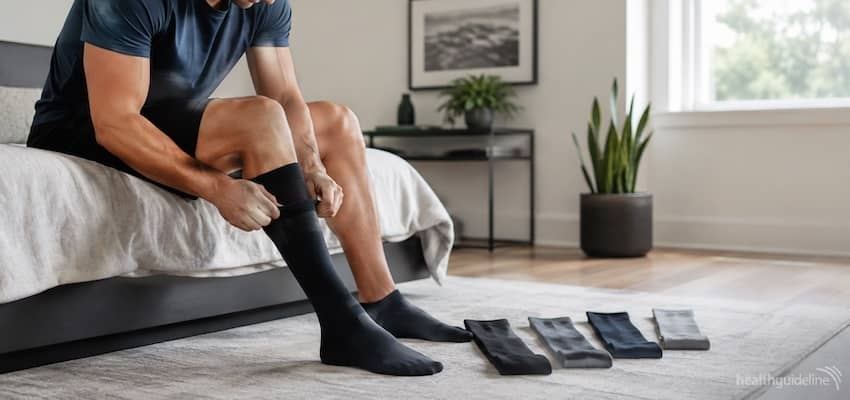
- Put them on before swelling builds. Cleveland Clinic advises applying compression stockings in the morning, before the feet and ankles have begun to swell.
- Smooth the fabric. Avoid wrinkles, bunching or folding the top band over, because concentrated pressure can irritate the skin.
- Check your toes and skin. Remove the socks if you develop pain, numbness, tingling, skin discoloration, skin damage or worsening swelling.
- Follow a clinician’s schedule for medical use. Do not assume that stronger compression or longer wear is automatically better.
- Do not automatically sleep in daytime compression socks. Cleveland Clinic generally advises taking them off before bed unless your healthcare professional tells you otherwise.
For more detail on nighttime use, see our compression socks for sleeping guide.
Who should ask a healthcare professional before using compression socks?
Compression is not appropriate for everyone
Cleveland Clinic advises against compression socks over open wounds or skin infections and recommends medical guidance for people with severe or unexplained swelling, peripheral artery disease, heart or kidney-related swelling, or severely reduced sensation such as peripheral or diabetes-related neuropathy.
Stop wearing the socks and contact a healthcare professional if you develop pain, numbness, tingling, skin discoloration, skin damage or worsening swelling. Sudden one-sided leg swelling, chest pain or shortness of breath can be signs of a serious problem and should be assessed urgently.
Frequently asked questions
Are copper compression socks better than regular compression socks?
Not on the basis of current clinical evidence. A copper-infused sock may have fabric-level antimicrobial or odor-control advantages, but the established circulatory effect comes from compression. If a regular compression sock fits better, has the right mmHg level and is more comfortable, there is no good evidence that choosing copper instead will improve circulation or pain relief.
Do copper compression socks help with swelling?
Compression socks can help reduce fluid buildup and blood pooling in the lower legs, so they may reduce some types of swelling. The copper is not the proven reason. New, severe, painful or one-sided swelling should be medically assessed because compression is not the correct self-treatment for every cause of edema.
Does copper in socks kill bacteria or stop foot odor?
Copper-impregnated textiles have reduced microbial load in some healthcare studies, so antimicrobial activity is biologically plausible. But that does not guarantee a specific sock will prevent infections or eliminate odor in real-world wear. Moisture management, washing, shoe hygiene and treating any underlying skin condition still matter.
Which is better: 15–20 mmHg or 20–30 mmHg?
Neither is universally better. Cleveland Clinic describes 15–20 mmHg as moderate compression and 20–30 mmHg as firm. The right level depends on your symptoms, medical history and reason for wearing the socks. If you are treating a medical condition, use the pressure recommended by your healthcare professional rather than automatically choosing the firmer option.
How many hours a day can I wear copper compression socks?
Wear time depends on why you are using compression and the product’s fit. Cleveland Clinic generally recommends putting compression stockings on in the morning and taking them off before bed. If your clinician prescribed them for a medical condition, follow that specific schedule and remove them sooner if you develop pain, numbness, tingling or skin changes.
Can I sleep in copper compression socks?
Do not assume a daytime compression sock should be worn overnight. Cleveland Clinic generally advises removing compression stockings before bed, except when a healthcare professional has recommended a different schedule for a specific reason. Copper infusion does not change that safety consideration.
Are copper compression socks safe for people with diabetes?
Diabetes by itself does not determine whether compression is appropriate, but reduced sensation and peripheral artery disease can make compression risky. Cleveland Clinic recommends that people with severe sensory loss, including diabetes-related neuropathy, have a healthcare professional weigh the risks and benefits before using compression stockings.
Sources and editorial scope
This guide was updated from the older article after checking current product listings and current medical guidance. We removed unsupported statements that copper itself improves blood flow, heals wounds, prevents fungal infection or treats arthritis. We did not independently test the socks or verify live prices, and Amazon variations can change.
- Cleveland Clinic: What You Need To Know About Compression Socks (2026)
- Northwestern Medicine: compression levels and fit
- Schneider et al. (2023): systematic review of antimicrobial textiles
- Richmond et al. (2013): randomized trial of copper bracelets for rheumatoid arthritis
- Copper Fit Energy Amazon listing · manufacturer specifications
- NEENCA Professional Amazon listing · manufacturer collection
- FuelMeFoot Amazon listing · manufacturer specifications
- Iseasoo Amazon listing
- BLUEENJOY Amazon listing
This article provides general information and buying guidance, not medical advice. Ask a qualified healthcare professional about the correct compression level and wear schedule for your condition.