Best Hammer Toe Splints and Straighteners: 7 Top Picks for 2026
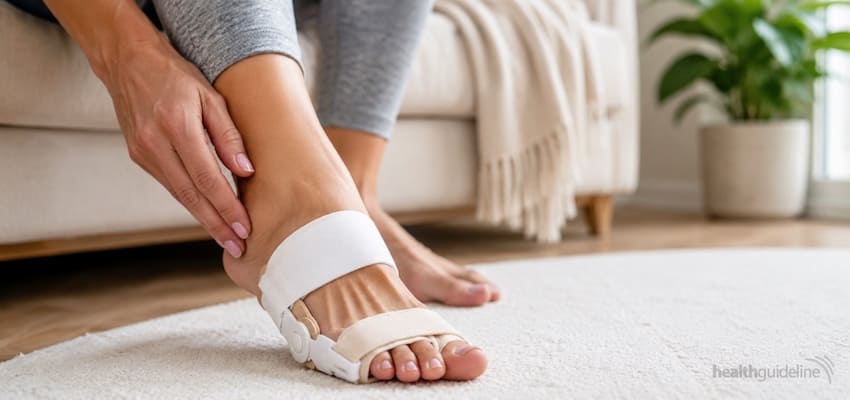
A hammer toe splint or straightener won’t rebuild the joint, but for a flexible toe it can take pressure off the bend, stop the top of the toe rubbing on your shoe, and make walking more comfortable — which is exactly what conservative treatment aims to do. The best pick depends on your goal: gentle daily cushioning, firmer repositioning, or simply protecting a sore, corn-prone toe. Below are seven real options for 2026, with honest pros, cons and who each one is (and isn’t) for.
Quick Picks
Best overall
ZenToes Triple Loop Hammertoe Crest
A soft gel crest that lifts and cushions bent toes and stays put in everyday shoes.
Best for firmer repositioning
BioSkin Hammer Toe Straightener
Podiatrist-designed, adjustable, day or night.
Key point: splints relieve symptoms and suit flexible toes; a rigid, fixed toe usually needs a podiatrist.
JUMP TO A SECTION
What is the best hammer toe splint?
For most people the ZenToes Triple Loop Hammertoe Crest is the best all-round hammer toe splint: a soft silicone crest that lifts and cushions bent or overlapping toes and stays put inside everyday shoes. If you want firmer, adjustable repositioning — or a night splint — the podiatrist-designed BioSkin Hammer Toe Straightener is the stronger choice. For painful corns and rubbing rather than alignment, gel toe caps do the job.
How we chose
We focused on hammer toe splints and straighteners that are currently sold on Amazon and cover the main designs used in conservative care: soft gel crest loops, full-toe protective caps, structured strap wraps and firmer aluminum splints. We weighed in-shoe comfort and fit, how honest the correction claims are, washability and value, and how much buyer feedback each product carries. We cross-checked the medical framing against the Cleveland Clinic, the American Academy of Orthopaedic Surgeons (OrthoInfo) and the Mayo Clinic. We left out anything we couldn’t verify as a real, currently available product. Prices and ratings change constantly, so we link to live listings instead of quoting fixed numbers — always check the current price on Amazon.
Top picks at a glance
| Product | Best for | Type | Approx. price* | Link |
|---|---|---|---|---|
| ZenToes Triple Loop Hammertoe Crest | Best overall | Gel crest, 3 loops | ~$10–$15 | View on Amazon |
| Dr. Frederick's Original 3-Loop Corrector | Best value | Gel crest, 2 pairs | ~$9–$14 | View on Amazon |
| BioSkin Hammer Toe Straightener | Firmer, adjustable repositioning | Compression wrap + straps | ~$20–$30 | View on Amazon |
| Aluminum-Plate Hammer Toe Splint | Firm / rigid support, night wear | Fabric wrap + metal stay | ~$10–$18 | View on Amazon |
| ZenToes Gel Toe Caps (6-Pack) | Corns, calluses & tip protection | Full-toe gel sleeves | ~$8–$12 | View on Amazon |
| ZenToes Single-Loop Straightener (4 Pack) | Simple single-toe option | Gel loop + pad | ~$10–$14 | View on Amazon |
| Dr. Frederick's Hammer Toe Bundle (8 pc) | Variety / diabetic-friendly | Spacers + crest pads | ~$15–$20 | View on Amazon |
01 / BEST OVERALL
ZenToes Triple Loop Hammertoe Crest
A soft silicone crest pad with three loops that slip over your toes and a cushion that sits underneath them, gently lifting bent or clawed toes off the shoe and off each other. It stays put in most closed shoes, is washable and reusable, and is comfortable enough for all-day wear — the most versatile everyday option here.
Key features
- soft medical-grade gel
- triple-loop layout that anchors across three toes
- low-profile fit in sneakers, flats and many closed shoes
- washable and reusable
- unisex, 4 per pack.
Pros
- cushions the top of bent toes against shoe rubbing
- three loops hold position better than a single pad
- helps overlapping toes
- inexpensive and reusable.
Cons
- alignment is gentle and symptomatic, not permanent
- can feel snug in narrow dress shoes
- some users trim it to fit
- not for open sores.
Best for: everyday flexible, clawed or overlapping lesser toes where you want cushioning plus gentle alignment inside shoes.
02 / BEST VALUE
Dr. Frederick’s Original 3-Loop Hammer Toe Corrector
A doctor-developed take on the three-loop gel crest, sold as two pairs so you can rotate them or treat both feet. The contoured pad lifts curled toes and cushions pressure points to reduce corns and rubbing, and the soft gel is comfortable enough for long stretches in roomy shoes — very similar benefit to our top pick, usually at a lower cost per pair.
Key features
- soft medical-grade gel
- 3-loop design
- soft and firmer versions available
- two pairs per pack
- works on either foot.
Pros
- good quantity for the money
- cushions and gently realigns
- reduces friction and corns
- washable and reusable.
Cons
- symptomatic support — it won’t fix a rigid toe
- loops can feel tight if your toes are short
- one-size fit may need trimming.
Best for: budget-minded buyers who want a spare set or need to treat both feet.
03 / BEST FOR FIRMER, ADJUSTABLE REPOSITIONING
BioSkin Hammer Toe Straightener
Created by podiatry specialists, this uses a slim compression forefoot wrap plus two adjustable straps that loop the toe and gently draw it down and straighter, targeting dorsal drift and floating-toe positioning. It’s more structured than a gel pad and can be worn during the day or as a night splint, making it the pick if cushioning alone isn’t enough.
Key features
- breathable compression foot wrap plus two trimmable toe straps
- adjustable tension
- day or night use
- targets a specific toe.
Pros
- active, adjustable repositioning rather than just cushioning
- podiatrist-designed
- doubles as a night splint
- relatively low-profile wrap.
Cons
- pricier than gel pads
- strap tension takes some dialing in
- bulkier in tight shoes
- still a symptomatic aid, not a substitute for surgery on a rigid toe.
Best for: people who want firmer, adjustable positioning for a flexible toe, or a night splint.
04 / BEST FOR FIRM, RIGID SUPPORT
Aluminum-Plate Hammer Toe Splint
A fabric wrap with a shapeable aluminum stay (some kits include a U-shaped plate and a slimmer two-piece plate) that holds a bent or injured toe in a straighter position using three-point pressure. It’s the firmest option here — better for resting, sleeping or supporting a recently jammed toe than for squeezing into tight shoes.
Key features
- anti-friction fabric wrap
- bendable aluminum plate(s) you can shape to your toe
- adjustable
- marketed for hammer, claw, mallet, overlapping and healing toes.
Pros
- the firmest hold in this list
- shapeable to your toe
- supportive for an injured or jammed toe
- inexpensive.
Cons
- bulky — needs roomy shoes or is best worn at rest
- over-tightening can pinch
- generic brands vary, so check the seller and recent reviews
- the rigid feel isn’t for everyone.
Best for: maximum support, night wear, or steadying a bent or injured toe. Note: this is not a treatment for a broken bone — see a professional if you suspect a fracture.
05 / BEST FOR CORNS, CALLUSES AND TIP PROTECTION
ZenToes Gel Toe Caps (6-Pack)
Full-toe silicone sleeves that cover the whole toe to cushion the tip and top of a hammer toe against shoe rubbing, easing corns, calluses, blisters and sore toenails. They protect rather than straighten, so they’re the right choice when your main problem is painful friction, not alignment.
Key features
- soft gel sleeves in sizes for big and smaller toes
- slim enough for shoes
- washable, reusable and latex-free
- 6 per pack.
Pros
- excellent friction and corn relief
- protects tender tips and toenails
- cheap
- reusable
- easy on and off.
Cons
- cushioning only — no correction
- can slip if oversized (trim to fit)
- not for open or seeping wounds.
Best for: corns, calluses or rubbing on the top or tip of a hammer toe, or sensitive toenails.
06 / BEST SIMPLE, SINGLE-TOE OPTION
ZenToes Single-Loop Hammer Toe Straightener (4 Pack)
A minimalist soft-silicone loop-and-pad that targets one toe at a time, slipping over the bent toe to lift and cushion it. It’s the lowest-profile corrector here and all but disappears inside most closed shoes, which makes it a good choice for discreet all-day wear on a single problem toe.
Key features
- soft, flexible silicone
- single-toe loop plus cushion
- fits inside closed-toe shoes
- washable and reusable
- 4 per pack.
Pros
- very low-profile and discreet
- targets a single toe
- comfortable in shoes
- reusable
- inexpensive.
Cons
- gentle and symptomatic
- a single loop can shift more than a triple-loop crest
- one-size fit.
Best for: a single flexible hammer toe where you want the least bulky corrector.
07 / BEST VARIETY / DIABETIC-FRIENDLY
Dr. Frederick’s Original Hammer Toe Bundle (8 Pieces)
A mixed kit with gel toe separators to reduce overlap plus hammertoe crest pads to lift and cushion curled toes, so you can try both approaches and see what your foot prefers. The soft, non-restrictive gel is marketed as suitable for sensitive and diabetic feet — though anyone with diabetes should still check with a clinician first (see below).
Key features
- four gel splints/spacers plus four crest pads
- soft medical-grade gel
- for hammer, claw and overlapping toes
- works on either foot.
Pros
- lets you trial separators and crest pads together
- good value
- gentle on skin
- washable.
Cons
- not tailored to one specific problem
- symptomatic only
- diabetic users should consult a professional before use.
Best for: people unsure which style suits them, or who want both spacing and lifting in one kit.
What to look for when buying a hammer toe splint
Is your toe flexible or rigid?
This is the most important question. If you can still straighten the toe with your fingers, it’s flexible, and gentle gel crests, caps or a strap wrap can keep it comfortable. If the toe is stiff and won’t move at the middle joint, it’s becoming rigid — firmer splints may help at rest, but a fixed toe is best assessed by a podiatrist, as over-the-counter aids mainly manage symptoms at that stage.
Match the design to your goal
Crest loops lift and cushion a bent toe; toe caps protect the tip and top from corns and rubbing; structured strap wraps and aluminum splints aim to reposition or steady the toe; and separators help overlapping toes sit apart. Many people end up using more than one — for example a crest pad in shoes and a firmer splint at home.
Fit, size and circulation
Most of these are one-size and trimmable. A splint that’s too tight can pinch and restrict blood flow, so it should feel snug, never constricting — remove it if you notice numbness, tingling or a change in toe colour, and build up wear time gradually.
Where you’ll wear it
Slim gel crests, caps and single-loop correctors fit inside most roomy closed shoes. Bulkier aluminum splints and some strap wraps are usually more comfortable in wide shoes or worn at home or overnight. Whatever you choose, a roomy toe box makes any splint more comfortable — if ball-of-foot pressure is part of the problem, a pair of metatarsal pads can help spread the load, and supportive insoles or cushioned, supportive shoes address the foot mechanics behind many toe problems.
About hammer toe
A hammer toe is an abnormal bend at the middle (proximal interphalangeal) joint of one of the lesser toes — most often the second toe — that develops when the muscles and tendons around the toe fall out of balance and tighten, pulling it into a curled position. It’s one of the most common foot problems; by one estimate it accounts for around 20% of foot and ankle conditions. Contributing factors include tight, narrow or high-heeled shoes, a toe injury, muscle imbalance, high or flat arches, arthritis, diabetes, genetics and getting older.
Early on, the toe is usually flexible — it still bends and responds well to roomy footwear, toe stretches and cushioning. Left unaddressed, it can gradually stiffen into a rigid toe that stays fixed in place. This is why acting early matters, and it’s also why splints have limits: over-the-counter pads and splints are symptomatic aids. They relieve pressure, reduce friction and corns, and can keep a flexible toe more comfortable, but medical sources treat footwear changes and exercises as the first line of care and do not present splints as a cure. A rigid toe, or pain that persists, may need a podiatrist and occasionally surgery.
When to see a professional
Consider seeing a podiatrist or doctor if the toe is rigid and won’t straighten, if pain continues despite roomy shoes and padding, if you develop open sores, ulcers or infected corns, or if you have diabetes or poor circulation — in that case, don’t self-treat foot problems without guidance, because small rubs can turn into serious wounds. Surgery is generally considered only as a last resort for a rigid toe or when conservative care hasn’t helped, and it’s typically an outpatient procedure. When in doubt, get the toe assessed rather than pushing through worsening pain.
Frequently asked questions
Do hammer toe splints actually work?
They help with symptoms. For a flexible toe, a splint or gel crest can lift the bend, cushion the top of the toe and ease rubbing, corns and pain. They aren’t proven to permanently straighten the joint, and a rigid, fixed toe usually needs professional care rather than an over-the-counter splint. Think comfort and pressure relief, not a cure.
Can you straighten a hammer toe without surgery?
Often, if it’s caught early while it’s still flexible. Podiatric sources recommend roomy, low-heeled shoes, toe stretches and exercises, and pads or splints to relieve pressure — steps that can improve comfort and slow progression. Once a toe becomes rigid and fixed, non-surgical measures mainly manage symptoms, and surgery may be discussed.
How long should you wear a hammer toe splint each day?
Follow the product’s instructions and your own comfort. Many people wear gel crests or caps for much of the day inside shoes, but remove any splint if you notice numbness, tingling, colour change or increased pain, since too-tight wear can restrict circulation. Build up wear time gradually and check your skin regularly.
Can you wear hammer toe splints inside shoes?
Slim gel crests, toe caps and single-loop correctors are designed to fit inside most closed, roomy shoes. Firmer options like aluminum-plate splints and some strap wraps are bulkier and are usually more comfortable in wide shoes, or worn at home or overnight. A roomy toe box makes any splint more comfortable.
What’s the difference between a hammer toe, mallet toe and claw toe?
They bend at different joints. A hammer toe bends at the middle joint of a lesser toe; a mallet toe bends at the joint nearest the nail; and a claw toe curls at both joints, often pulling up at the base and down at the tip. All three are linked to muscle imbalance and tight footwear.
Are hammer toe splints safe if I have diabetes?
Be cautious. Many gel products are marketed as diabetic-friendly, but reduced sensation and circulation mean a small rub can turn into a serious sore. If you have diabetes or poor circulation, check with your doctor or podiatrist before using any splint, inspect your feet daily, and stop immediately if you see redness, blisters or skin breakdown.