Best Metatarsal Pads for Foot Pain: 7 Top Picks for 2026 (Gel, Felt & Wool)
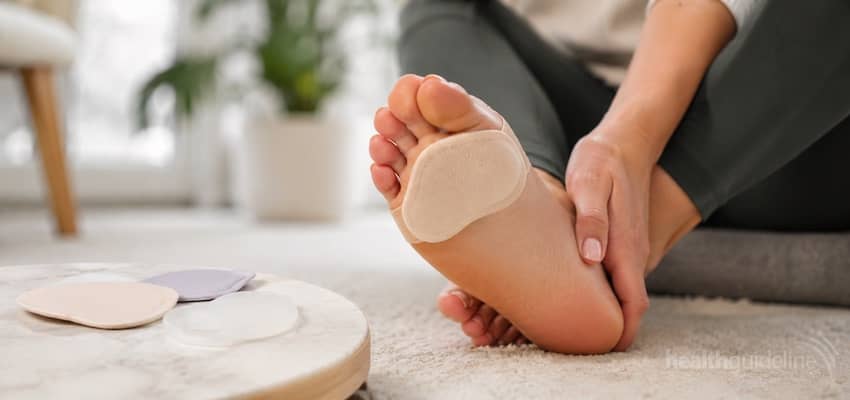
For most people, the ZenToes Ball-of-Foot Gel Cushions are the best all-round metatarsal pad — cushioned, reusable, and they stick inside almost any shoe. On a budget, the trim-to-fit ZenToes Felt Pads give you 12 pads to experiment with. For Morton’s neuroma or sensitive skin, the gel PediFix Visco-Gel pad with a toe loop stays put without adhesive. The single most important tip: place the pad just behind the ball of your foot, never directly under it.
A metatarsal pad is one of the cheapest, fastest things you can try for pain in the ball of your foot. It is a small dome that sits inside your shoe and lifts the long bones of your forefoot so weight spreads out instead of pressing on one sore spot. The catch is that most people put them in the wrong place — and the right product depends on your shoes and what is causing the pain. This guide covers seven genuinely good pads currently sold on Amazon, who each one suits, and how to position them so they actually help.
How we chose these metatarsal pads
We focused on real, currently listed products from established foot-care brands rather than look-alike listings with dramatic medical claims. For each pick we looked at the design type (gel, wool felt or medical felt), how the pad is held in place, the material and thickness, sizing options, and how well it stays put through a normal day. We cross-referenced podiatric guidance on placement and offloading with the themes in hundreds of user reviews, and we favored pads that lift the right spot over the flashiest packaging. Our links go straight to the Amazon listing and we do not earn a commission on them, so these are the pads we think fit best — not the ones that pay.
What are the best metatarsal pads?
The best metatarsal pads for most people are the ZenToes Ball-of-Foot Gel Cushions, because they cushion well, adhere inside almost any shoe, and are washable and reusable. Firm Hapad wool felt pads offload a precise spot better for stubborn pain, PediFix Visco-Gel suits Morton’s neuroma and sensitive skin, and slim Dr. Scholl’s gel cushions are best for high heels. Match the pad to your shoes and your symptoms.
Top metatarsal pads at a glance
| Metatarsal pad | Best for | Material / type | Approx. price* | Link |
|---|---|---|---|---|
| ZenToes Ball-of-Foot Gel Cushions | Best overall / most shoes | Adhesive silicone gel | around $10–15 | View on Amazon |
| Dr. Scholl's Ball of Foot Pain Relief Orthotics | Easiest to find / no trimming | Adhesive foam-gel lift | around $8–12 | View on Amazon |
| Hapad 3/8" Wool Felt Metatarsal Pad | Firmest, most precise offloading | 100% wool felt, self-adhesive | around $12–18 | View on Amazon |
| PediFix Visco-Gel Pad with Toe Loop | Morton’s neuroma / sensitive skin | Gel, toe loop, non-adhesive | around $10–15 | View on Amazon |
| NatraCure Gel Metatarsal Pads | Active wear / on your feet all day | Fabric-and-gel sleeve, reversible | around $10–15 | View on Amazon |
| Dr. Scholl's Ball of Foot Cushions for High Heels | Heels & dress shoes | Slim self-adhesive gel | around $7–11 | View on Amazon |
| ZenToes Metatarsal Felt Pads, 1/4" | Best budget / trim-to-fit | Contoured felt, adhesive (12 pads) | around $9–13 | View on Amazon |
01 / BEST OVERALL
ZenToes Ball-of-Foot Gel Cushions
These self-adhesive silicone gel domes stick to the inside of your shoe just behind the ball of the foot, cushioning the forefoot and spreading pressure with each step. They are the most versatile pick here: latex-free, washable, reusable, and they work in everything from sneakers to dress shoes. For a first-time buyer who is not sure which style suits them, this is the easiest place to start.
Key features
- medical-grade silicone gel
- self-stick to the shoe (not the skin), so no residue on your foot
- odor-resistant
- four pads per pack.
Pros
- Comfortable, all-day gel cushioning
- Stick inside almost any shoe; reusable and washable
- Reputable, woman-owned US brand; podiatrist-recommended
Cons
- Adhesive can lose grip over weeks of heavy use
- Gel is less “firm-offloading” than felt for stubborn pain
Best for: most people, and anyone who wants one pad that works across their whole shoe rotation.
Not for: those who need a firm, precisely placed dome for a single painful metatarsal head — see the Hapad felt below.
Approx. price: around $10–15 — check current price on Amazon.
02 / EASIEST TO FIND
Dr. Scholl’s Ball of Foot Pain Relief Orthotics
Dr. Scholl’s version is a raised cushion on an adhesive insert that lifts the tarsal bones to transfer pressure off the ball of the foot. It fits virtually any shoe with no trimming and is stocked almost everywhere, which makes it the most convenient option if you want to grab something today. The design targets metatarsalgia and helps protect against calluses.
Key features
- raised metatarsal lift
- adhesive backing to keep the insert in place
- one size fits most
- no trimming required.
Pros
- Widely available and inexpensive
- No cutting or fiddly sizing
- Trusted mass-market foot-care brand
Cons
- Fixed shape can’t be positioned as precisely as a standalone pad
- Thinner cushioning than a dedicated gel dome
Best for: a quick, no-fuss first try you can buy almost anywhere.
Not for: people who want to fine-tune exactly where the dome sits.
Approx. price: around $8–12 — check current price on Amazon.
03 / FIRMEST, MOST PRECISE
Hapad 3/8″ Wool Felt Metatarsal Pad
Hapad’s pads are made from firm, wet-felted 100% Merino wool that holds its dome shape instead of squashing flat within an hour like softer foam. That firmness is exactly why many clinicians reach for felt pads to offload a specific painful metatarsal head or a dropped metatarsal. The skived, low-bulk shape blends into dress shoes, sneakers, heels or work boots, and the self-adhesive backing lets you place it precisely.
Key features
- 100% natural wool felt
- firm, non-collapsing dome
- skived low-profile edges
- self-adhesive
- six pairs per pack so you can reposition as you learn the right spot.
Pros
- Best at offloading one precise spot (metatarsalgia, dropped head, neuroma)
- Keeps its shape all day; breathable natural material
- Six pairs for trial-and-error placement
Cons
- Firmer underfoot — some people find it too hard at first
- Adhesive-to-shoe placement takes patience to get right
Best for: stubborn, pinpoint forefoot pain, and anyone who has found gel “too squishy.”
Not for: people who want maximum soft cushioning or a slip-on sleeve.
Approx. price: around $12–18 — check current price on Amazon.
04 / BEST FOR MORTON’S NEUROMA & SENSITIVE SKIN
PediFix Visco-Gel Metatarsal Pad with Toe Loop
PediFix is a long-established foot-care maker, and this Visco-Gel pad uses a soft, mineral-oil-infused gel that conforms to the forefoot and cushions the ball of the foot. Instead of adhesive, a stretchy toe loop holds it in place, so it stays put and can be moved between shoes — a plus if adhesive pads irritate your skin. The gel is described as diabetic-friendly, though anyone with diabetes should still check with their clinician first (see the safety note below).
Key features
- soft visco-elastic gel
- toe loop keeps the pad positioned without sticking to skin or shoe
- conforms to the forefoot
- reusable and washable.
Pros
- Stays in place without adhesive — good for sensitive skin
- Soft gel cushioning that suits neuroma-type burning pain
- Established medical foot-care brand
Cons
- Sold per foot and per size — check that you order the correct left/right and size
- Toe loop feels bulky in slim or pointed shoes
Best for: Morton’s neuroma, sensitive skin, and people who dislike adhesive pads.
Not for: tight dress shoes or heels where the loop and gel crowd the toe box.
Approx. price: around $10–15 — check current price, and confirm left/right and size, on Amazon.
05 / BEST FOR ACTIVE, ALL-DAY WEAR
NatraCure Gel Metatarsal Pads
NatraCure’s pad is a slim fabric-and-gel sleeve that you wear over the forefoot rather than stick in the shoe, so it resists slipping while you are working, walking or on your feet for hours. The soft gel sits under the ball of the foot to absorb shock and redistribute weight, and this version is reversible — flip it inside out to fit either foot — and washable, which keeps it practical for daily use.
Key features
- fabric sleeve with an anatomical gel pad
- worn on the foot for a secure fit
- reversible to fit left or right
- washable and reusable.
Pros
- Stays put during activity better than stick-in pads
- Reversible and washable; one pair covers either foot
- Good shock absorption for standing and walking
Cons
- Sleeve adds volume — best in roomier shoes and socks
- Sized by shoe size, so check the size chart before ordering
Best for: nurses, retail and warehouse workers, walkers — anyone on their feet all day in sneakers or boots.
Not for: slim heels or tight shoes with no room for a sleeve.
Approx. price: around $10–15 — check current price on Amazon.
06 / BEST FOR HEELS & DRESS SHOES
Dr. Scholl’s Ball of Foot Cushions for High Heels
If your forefoot pain flares in heels, wedges or dress shoes, a slim cushion designed for that narrow space works better than a bulky pad. These discreet soft-gel cushions fit in heels 2 inches and up, absorb shock at the ball of the foot, and act as a subtle stopper so your foot does not slide forward and jam the toe box. They are self-adhesive and low-profile enough to stay hidden.
Key features
- slim soft-gel cushioning sized for heels and wedges
- self-adhesive
- no-slide design to reduce forward sliding
- discreet under the ball of the foot.
Pros
- Fits the tight toe box of heels and pumps
- Reduces forward sliding as well as ball-of-foot pressure
- Nearly invisible in the shoe
Cons
- Thin cushioning by design — not for heavy-duty offloading
- Adhesive wears with repeated wear
Best for: dress-shoe and high-heel wearers who need ball-of-foot relief without bulk. If your heels are simply too big, pair these with the right insole — see our guide to insoles for high heels that are too big.
Not for: serious metatarsalgia that needs a firm, precisely placed dome.
Approx. price: around $7–11 — check current price on Amazon.
07 / BEST BUDGET & TRIM-TO-FIT
ZenToes Metatarsal Felt Pads, 1/4″
Felt pads are the cheapest way to find your ideal placement, and this pack gives you 12 contoured, adhesive quarter-inch pads to work with. The skived shape helps separate the metatarsal bones and take pressure off the sensitive area, and each pad can stick to the insole or directly to the foot. Because you get so many, you can trim and reposition freely until the sweet spot clicks — then order a firmer or gel option if you prefer.
Key features
- contoured 1/4″ felt
- adhesive backing
- adhere to shoe or foot
- one size fits most
- 6 pairs (12 pads) per pack.
Pros
- Very inexpensive per pad; great for experimenting with placement
- Firm felt offloads a precise spot
- Works in most shoe types
Cons
- Felt compresses over time and needs replacing
- Adhesive-to-skin can leave residue for some users
Best for: anyone on a budget, or dialing in the right position before committing to a pricier pad.
Not for: people who want soft gel cushioning or a reusable, washable design.
Approx. price: around $9–13 — check current price on Amazon.
How to place metatarsal pads correctly (the step most people get wrong)
Placement matters more than the brand. A metatarsal pad should sit just behind the ball of your foot — not directly under it. Podiatrists position the widest part of the pad roughly 1 to 1.5 cm behind the painful metatarsal heads so it lifts and spreads the long bones, opening up the sore area rather than pressing on it. Put the pad under the ball and you can actually increase the pressure and make pain worse.
- Find the spot. Press along the ball of your foot to locate the tender point, then note the bony ridge just behind it.
- Peel only part of the backing first. With adhesive pads, expose a quarter of the adhesive so you can test the position before committing.
- Place it behind the ball. The bulk of the dome goes just proximal to (behind) the metatarsal heads; the narrow end, if the pad is shaped, points toward the heel.
- Walk and adjust. Take a few steps. You should feel gentle lift behind the ball, not a lump under it. Nudge the pad back or forward a few millimetres until it feels right.
- Then stick it down. Once the position is comfortable over a short test walk, remove the rest of the backing and press it firmly, or wear your sleeve/toe-loop pad as fitted. Repeat on the other foot.
Give a new position two or three days of normal wear before deciding it doesn’t work — small placement changes make a big difference.
What to look for when buying a metatarsal pad
Material: gel vs felt vs wool
Soft gel cushions the most, suits sensitive skin and thin-soled shoes, and feels comfortable straight away, but it can compress or slide over a long day. Medical felt and firm wool felt hold their dome shape and offload a precise spot better — often the clinician’s choice for stubborn metatarsalgia or a dropped metatarsal head — at the cost of a firmer feel underfoot. If you are unsure, start with gel for comfort or felt for targeted offloading.
How the pad stays in place
Three designs dominate. Self-adhesive pads stick to the insole (cleaner, longer-lasting) or directly to the foot. Toe-loop gel pads hook over a toe so they stay put without adhesive — good for sensitive skin. Fabric sleeves wrap the forefoot and resist slipping during activity but add a little bulk. Match this to your shoes: sleeves and firm felt for roomy shoes and boots, slim adhesive gel for heels and dress shoes.
Thickness and shoe fit
A thicker pad offloads more but can crowd a snug shoe and cramp your toes. If you wear fitted shoes or heels, choose slim, low-profile cushions; if you have room (sneakers, boots), you can go firmer and thicker for more support.
Sizing and skin
Some pads are one-size, others are sized by shoe size or sold per foot — read the listing so you order the right size and the correct left/right. If you have latex sensitivity, check the material, and if adhesive irritates your skin, choose a toe-loop or sleeve design instead.
About ball-of-foot pain (metatarsalgia)
Metatarsalgia is pain and inflammation in the ball of the foot — the area just behind the toes — and it often feels sharp, aching or burning, or like there’s a pebble in your shoe. According to the Cleveland Clinic, common contributors include foot shape and deformities, inflammatory conditions and ill-fitting shoes. Mayo Clinic adds high-impact activity, high arches, a longer second toe, hammertoe, bunions, excess weight and high heels as frequent factors — and lists a metatarsal pad among standard self-care measures, alongside rest, better footwear and shock-absorbing insoles.
Metatarsal pads are a conservative, non-prescription aid: they can reduce pressure and make walking more comfortable, but they don’t treat an underlying cause such as a bunion, hammertoe or stress fracture. Pain that isn’t clearly the ball of the foot may be something else — Morton’s neuroma, for instance, is nerve pain usually felt between the third and fourth toes, and heel-focused pain is more often plantar fasciitis (see our guides to the best plantar fasciitis insoles and the best shoes for heel pain).
When to see a professional
See a doctor or podiatrist if burning or aching pain in the ball of your foot doesn’t improve after changing your shoes and activity for a couple of weeks, or sooner if you have swelling, redness or warmth, can’t put weight on the foot, notice numbness or tingling, or have diabetes or poor circulation. These can signal a stress fracture, infection, nerve problem or another condition that needs proper assessment.
Frequently asked questions
Do metatarsal pads actually work?
For many people, yes. Placed correctly, a metatarsal pad lifts and spreads the long bones of the forefoot so pressure shifts off the sore ball of the foot. Mayo Clinic lists a metatarsal pad among standard self-care measures for metatarsalgia. Results vary from person to person, and pads work best alongside better-fitting shoes.
Where exactly do you place a metatarsal pad?
Just behind the ball of the foot, not directly under it. The widest part of the pad sits roughly 1 to 1.5 cm behind the painful metatarsal heads so it lifts the bones rather than pressing on them. Placing it under the ball is the most common mistake and can make pain worse.
Gel or felt metatarsal pads — which is better?
Gel cushions more and suits sensitive skin, thin-soled shoes and shorter wear, but it can compress or shift over a long day. Firm wool or medical felt holds its dome shape and offloads a precise spot better, which many clinicians prefer for stubborn metatarsalgia or neuroma, though it feels firmer underfoot.
Can metatarsal pads help Morton’s neuroma?
Often, yes. A pad placed just behind the metatarsal heads helps spread the bones and open the space where the nerve is pinched, easing the burning or “pebble in the shoe” feeling. A gel pad with a toe loop or a shaped felt pad is a common choice. Persistent neuroma pain should be evaluated by a professional.
Can I wear metatarsal pads with high heels?
Yes. Slim self-adhesive gel cushions made for heels fit in the narrow toe box, absorb shock and stop the foot sliding forward. Bulkier felt or sleeve pads usually crowd pointed or slim shoes, so keep those for sneakers, boots and roomier footwear.
How long until metatarsal pads relieve pain?
Some people feel relief the first day, but placement usually takes a little trial and error. Give a new position two or three days of normal wear before judging it, and adjust the pad slightly if pressure feels wrong. If there’s no improvement after a couple of weeks, see a professional.
Are metatarsal pads safe for people with diabetes?
Use extra caution. Reduced sensation means a poorly placed pad can rub or create a pressure spot without you feeling it. Choose a soft, non-adhesive gel design, check your skin daily, and talk to your doctor or podiatrist before starting. Stop if you notice numbness, discoloration or a sore.
Medical disclaimer: This article is for general information only and is not medical advice. Metatarsal pads are a comfort aid, not a treatment for any underlying condition. Talk to a qualified healthcare professional about your specific situation, especially if you have diabetes, poor circulation or persistent or severe foot pain.