Best Foot Massagers for Plantar Fasciitis: 5 Top Picks for 2026
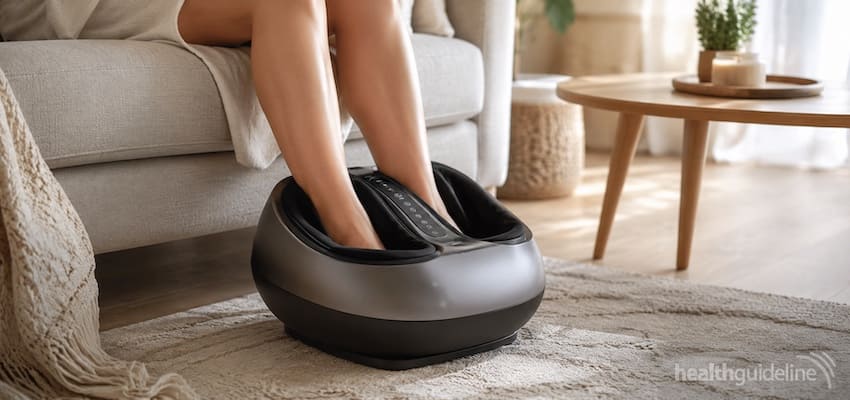
The Nekteck Shiatsu Foot Massager is the best choice for most people — deep-kneading rollers, optional heat and air compression at a mid-range price. On a budget, a TheraFlow manual roller punches well above its price. Want calf coverage too? The Cloud Massage unit is the premium pick.
If plantar fasciitis has you dreading your first steps in the morning, a good foot massager can take some of the sting out of the day. The right one loosens the tight tissue in your arch and calf, warms and increases blood flow to the area, and gives sore feet a few minutes of genuine relief. Below are five foot massagers — electric and manual — that are genuinely suited to heel and arch pain, all currently sold on Amazon, with honest pros, cons and who each one isn’t for.
One thing up front: no massager cures plantar fasciitis on its own. Think of it as one helpful tool alongside stretching, supportive shoes and rest — more on that below.
JUMP TO A SECTION
How we chose
We focused on massagers actually suited to plantar fasciitis, not just general foot relaxation. That meant prioritising deep, targeted pressure on the arch and heel, adjustable intensity so you can start gently, an optional heat function, and a stable base for under-desk use. We cross-referenced independent testing from outlets such as CNN Underscored and TechGearLab, podiatrist commentary, and thousands of verified buyer reviews, then confirmed every pick is real and currently listed on Amazon.com. We deliberately included options across price points and both electric and manual designs — and we flag the trade-offs for each.
Top picks at a glance
| Massager | Best for | Type | Heat | Approx. price* |
|---|---|---|---|---|
| Nekteck Foot Massager | Best overall | Electric shiatsu + air compression | Yes (optional) | ~$50–$70 |
| RENPHO Foot Massager | Best everyday value | Electric shiatsu + rolling | Yes (optional) | ~$60–$90 |
| MIKO Shiatsu Foot Massager | Best air compression + remote | Electric shiatsu + compression | Yes (optional) | ~$120–$150 |
| Cloud Massage Foot & Calf Massager | Best premium (feet, ankles & calves) | Electric rolling + compression | Yes (2 levels) | ~$130–$170 |
| TheraFlow Large Dual Roller | Best budget / manual | Manual wooden roller | No | ~$20–$30 |
What is the best foot massager for plantar fasciitis?
For most people, the Nekteck Shiatsu Foot Massager is the best all-round choice: it combines deep-kneading rollers, optional heat and air compression at a mid-range price, and it’s simple to run under a desk. Budget shoppers do well with a manual TheraFlow roller, while anyone who wants calf coverage or hands-free control leans toward the Cloud Massage or MIKO.
01 / BEST OVERALL
Nekteck Foot Massager
The Nekteck is an electric shiatsu massager with six rotating heads and 18 nodes that knead the arch, heel and ball of the foot, plus an optional infrared heat function. It’s our best overall pick because it delivers firm, therapist-like pressure and true one-button operation at a mid-range price, which makes daily under-desk use genuinely easy. Independent testers, including CNN Underscored, have rated it highly against pricier machines.
Key features
- 6 massage heads / 18 nodes
- optional infrared heat
- adjustable height
- broad non-slip base
- toe-touch power button.
Pros
- Deep, effective kneading
- very easy to use
- stable
- strong value.
Cons
- Pressure can feel intense for sensitive feet (wear socks to start)
- no remote on the classic model.
Best for: Most people who want effective, no-fuss relief at a fair price.
02 / BEST EVERYDAY VALUE
RENPHO Foot Massager
RENPHO’s popular foot massager wraps each foot in rotating rollers, a rolling stick and kneading nodes, with an optional heat setting and three intensity levels. It’s the best everyday value: gentle enough for beginners, firm enough for tired soles, and controllable by toe-tap or remote so you never have to bend down mid-session. The washable, removable foot liner is a nice hygiene touch for daily use.
Key features
- Rotation ball + rolling stick + kneading nodes
- 3 intensity levels
- optional heat
- removable washable liner
- auto shut-off.
Pros
- Comfortable range from gentle to firm
- easy controls
- trusted brand
- good value.
Cons
- Enclosed design suits up to about a men’s size 12–13
- focuses on soles and arch more than the very tips of the toes.
Best for: Beginners and anyone who wants a comfortable daily massage with adjustable pressure.
03 / BEST AIR COMPRESSION + REMOTE
MIKO Shiatsu Foot Massager
The MIKO adds air-compression cuffs to shiatsu kneading and heat, with five pressure levels, three modes and a wireless remote. Enclosed foot chambers wrap the sides and soles at the same time, and it fits up to a men’s size 12, making it the pick if you want adjustable squeeze-style compression plus hands-free control. The magnetic remote clips to the unit so it doesn’t wander off.
Key features
- Deep kneading + air compression
- 5 pressure levels
- 3 modes
- optional heat
- wireless remote
- washable inserts.
Pros
- Compression feels great on swollen, tired feet
- lots of adjustability
- remote is convenient.
Cons
- Larger and heavier
- higher price
- highest settings are strong for sensitive users.
Best for: People who like a wrapping, compressive massage and want to fine-tune settings from the couch.
04 / BEST PREMIUM
Cloud Massage Foot & Calf Massager
The Cloud Massage sits taller than most machines, with an adjustable tilt bar so you can aim it at your feet, ankles or calves. It pairs deep rolling and compression with two heat levels and a remote. It’s the best premium pick for anyone who wants calf coverage or has tight lower legs alongside heel pain — and it accommodates larger feet comfortably.
Key features
- Adjustable tilt bar (feet/ankle/calf)
- rolling + air compression
- 2 heat levels
- remote and onboard controls
- anti-slip base.
Pros
- Reaches the calf as well as the foot
- roomy
- sturdy
- strong, deep massage.
Cons
- Premium price
- bulky to store
- pressure is firm — sensitive users should start on the lowest setting.
Best for: Anyone wanting foot-plus-calf coverage, larger feet, or a more spa-like machine.
05 / BEST BUDGET / MANUAL
TheraFlow Large Dual Roller
The TheraFlow is a manual wooden roller with contoured nubs that target the arch and heel — no power, no noise. Roll it under your foot for a few minutes a day, chill it in the freezer first for ice-style relief, and it travels anywhere. It’s the best budget pick and an easy daily companion to your stretching routine, letting you control pressure precisely.
Key features
- Dual-foot Schima Superba wood roller
- textured acupressure nubs
- lightweight (~1.8 lb)
- non-slip base
- reflexology chart included.
Pros
- Inexpensive
- silent
- portable
- precise arch/heel targeting
- can be chilled for cold therapy.
Cons
- Manual effort required
- no heat or motorised kneading
- less “hands-free” than a machine.
Best for: Budget shoppers, travellers, and anyone who wants targeted control at their desk.
What to look for when buying a foot massager for plantar fasciitis
Massage type: shiatsu vs. rolling vs. manual
Electric shiatsu machines use rotating nodes to knead deeply and need little effort from you. Manual rollers let you control exactly where and how hard you press — ideal for pinpointing the arch and heel. Many people with plantar fasciitis end up using both: a machine at home and a roller at the desk.
Heat
Warmth relaxes tight tissue and boosts circulation, which can make kneading more comfortable and is especially welcome before stretching. Look for a unit where heat can be switched on and off independently, so you can skip it when your heel feels inflamed.
Air compression
Compression cuffs squeeze the whole foot rhythmically, which feels great on swollen, tired feet and complements the targeted pressure of rollers. It’s a nice-to-have rather than essential, and it tends to appear on mid- and higher-priced machines.
Adjustable intensity
Plantar fasciitis can leave the heel tender, so the ability to start gentle and build up matters. Multiple pressure or speed levels let you find a setting that helps without aggravating a flare-up.
Size and fit
Enclosed foot chambers are sized — check the maximum foot size if you wear a men’s 12 or above. Open-platform massagers and manual rollers suit almost any foot size.
Noise, cordless use and remotes
If you want to massage while working or watching TV, look for a quiet motor. A remote (or toe-touch controls) saves you bending down mid-session, and cordless models add flexibility.
Price
Effective relief doesn’t have to be expensive: a $25 roller helps many people as much as a $150 machine. Spend more only if you specifically want heat, compression, calf coverage or hands-free convenience.
About plantar fasciitis (and where a massager fits in)
Plantar fasciitis is the most common cause of heel pain in adults, and about one in ten people experience it at some point in their lives. It occurs when the plantar fascia — the thick band of tissue running from your heel to your toes — becomes irritated, classically producing a stabbing pain with your first steps in the morning or after sitting.
The reassuring part: it’s usually self-limiting. Around 90% of people improve with conservative care within roughly a year, and standard measures include rest, activity changes, calf and plantar-fascia stretching, ice or ice massage, supportive shoes or inserts, and night splints. A foot massager fits into that toolkit as a way to ease muscle tension and improve blood flow — a useful complement to stretching and good footwear, not a stand-alone cure. Consistency tends to matter more than intensity.
When to see a professional
See a doctor or podiatrist if your heel pain is severe, follows a specific injury, or hasn’t improved after several weeks of home care; if you notice numbness, tingling, significant swelling, redness or warmth; or if pain wakes you at night. These can point to something other than simple plantar fasciitis. People with diabetes, neuropathy or reduced foot sensation should get personalised advice before using a firm or heated massager.
Frequently asked questions
Do foot massagers actually help plantar fasciitis?
Massage can ease plantar fasciitis symptoms by loosening tight tissue in the arch and calf and improving blood flow, which may reduce pain and stiffness. It works best alongside stretching, supportive footwear and rest. No massager cures the condition on its own, but many people find that regular use makes daily steps more comfortable.
How often should I use a foot massager for plantar fasciitis?
A common routine is 10–15 minutes once or twice a day, starting on a low setting and increasing gently. Morning sessions can ease first-step stiffness; evening sessions soothe tired feet. Stop if pain sharpens, and give very sore areas a rest day. Consistency over several weeks matters more than long, intense single sessions.
Is a manual roller or an electric massager better?
Neither is universally better. Manual rollers are cheap, quiet, portable and let you control pressure precisely on the arch and heel. Electric shiatsu machines add kneading, heat and compression with less effort, which suits people who want hands-free relief or have limited grip strength. Plenty of people keep a roller at their desk and a machine at home.
Can I use a foot massager if I have diabetes or neuropathy?
Be cautious. Reduced sensation can make it hard to feel excessive pressure or heat, which raises the risk of bruising or burns. Many massagers advise against use if you can’t reliably sense temperature or pain. Talk to your doctor or podiatrist first, start on the gentlest setting, and skip the heat function unless you’ve been cleared.
Does heat or cold help plantar fasciitis more?
Both have a place. Heat relaxes tight muscles and boosts circulation before activity or stretching, while cold calms an angry, inflamed heel — which is why ice massage is a classic remedy. Some people alternate. If your heel is acutely painful, cold often feels better; for general stiffness, warmth usually helps.
Can rolling a frozen water bottle help?
Yes — rolling your arch over a frozen water bottle is a simple, well-known way to combine gentle massage with cold therapy. Do it for a few minutes per foot, keeping a thin cloth between skin and ice if it feels too cold. A chilled manual roller offers the same two-in-one benefit.
Medical disclaimer: This article is for general information only and is not medical advice. Talk to a qualified healthcare professional about your specific situation.