Best Thigh Compression Sleeves: 7 Picks for 2026
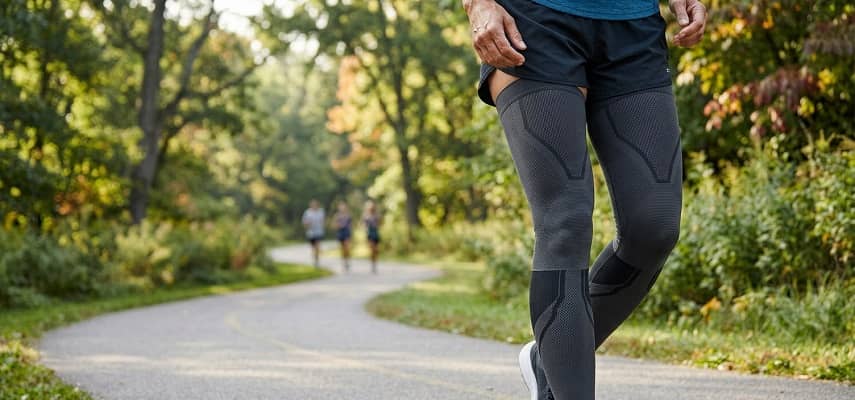
2026 buying guide · hamstrings, quads, fit & comfort
For most buyers, Bauerfeind Sports Compression Sleeves Upper Leg are the strongest all-round option in this comparison because the manufacturer specifies 20–30 mmHg compression, multiple length choices and a silicone top band. BODYPROX offers better value as a two-sleeve pack, while Mueller is a warmer neoprene option. A thigh sleeve can feel supportive, but it does not diagnose or heal a hamstring or quadriceps injury.
Quick picks
Best overall
Bauerfeind Upper Leg
Premium pair with a stated 20–30 mmHg compression range and multiple length options.
Best value pair
BODYPROX Thigh Sleeves
A simple two-sleeve knit design with silicone grip at a comparatively low recent price.
Best for warmth
Mueller Thigh Sleeve
A neoprene-blend sleeve for people who prefer warmth and a more substantial feel.
How we chose the best thigh compression sleeves
We compared products that are currently sold by established manufacturers and that have a verifiable U.S. Amazon product identity. We prioritized fit and sizing information, stated compression when the brand provides it, grip at the upper thigh, fabric and latex disclosures, coverage length, pack quantity, current availability and honest drawbacks. Category labels such as “best overall” are our editorial comparison of those features; they are not findings from a clinical head-to-head trial.
The original version of this article focused heavily on recovery and injury-prevention claims. This update uses more cautious language because compression-garment research is mixed: some studies suggest modest post-exercise recovery benefits, while recent evidence does not support treating compression sleeves as a guaranteed way to improve performance or heal a muscle injury faster.
The 7 best thigh compression sleeves at a glance
| Sleeve | Best for | Compression / construction | Recent price band* | Before you buy |
|---|---|---|---|---|
| Bauerfeind Upper Leg | Best overall | 20–30 mmHg; breathable knit; silicone top band | About $50–$60 | Measure carefully; multiple length options |
| BODYPROX Thigh Sleeves | Best value pair | Knit sleeve; silicone grip; mmHg not stated | About $15–$20 | Contains latex |
| Sparthos Thigh Sleeves | Best anti-slip value option | Elastic knit; silicone strip; mmHg not stated | About $15–$25 | Contains latex yarn |
| Vive Thigh Compression Sleeve | Best long 20–30 mmHg pair | 20–30 mmHg; nylon/spandex blend | About $20–$30 | Contains latex; longer coverage |
| Zensah Thigh Sleeve | Best lightweight targeted knit | Targeted knit; silicone grip; mmHg not stated | About $35–$50 | Brand page showed sold out when checked |
| Mueller Thigh Sleeve | Best for warmth | Neoprene blend; uniform compression | About $20–$30 | Contains natural-rubber latex |
| BraceAbility Thigh Sleeve | Best short-profile sleeve | Copper-infused nylon blend; mmHg not stated | About $15–$20 | Single sleeve; short 9.5-inch profile |
Do not compare “compression” labels as if they all mean the same thing. Bauerfeind and Vive publish a 20–30 mmHg range for these products; several other brands describe compression without stating a pressure in mmHg. Fit, material, length and comfort matter just as much as marketing language.
The seven thigh compression sleeve profiles
01 / BEST OVERALL
Bauerfeind Sports Compression Sleeves Upper Leg
Bauerfeind Sports Compression Sleeves Upper Leg — view on Amazon are the most clearly specified premium option here. Bauerfeind lists 20–30 mmHg compression, a breathable knit and a silicone top band, plus different lengths. That combination makes them easier to compare objectively than sleeves that never state a pressure level.
Key features
- Manufacturer-stated 20–30 mmHg compression
- Sold as a pair
- Breathable microfiber knit
- Silicone top band and multiple length choices
Pros
- Pressure level is stated in mmHg
- Length choices help fine-tune coverage
- Pair format suits bilateral training
- Premium construction with a secure top band
Cons
- Much more expensive than basic knit sleeves
- Measurements and length selection take more effort
- 20–30 mmHg may feel firmer than some casual users expect
Best for: Runners, lifters and field-sport users who want a premium pair with a clearly stated pressure range and more precise sizing choices.
Who it is not for: Anyone who simply wants the cheapest light sleeve, or anyone who has been told to avoid compression because of a vascular or skin condition.
02 / BEST VALUE PAIR
BODYPROX Thigh Compression Sleeves
BODYPROX Thigh Compression Sleeves — view on Amazon are a practical value choice because the package includes two sleeves, the knit is designed to stretch around the thigh and silicone at the top helps resist sliding. The brand does not publish an mmHg pressure for this model, so buy it for fit and support feel rather than a specific medical compression level.
Key features
- Two sleeves per package
- Nylon, latex and spandex construction
- Silicone upper-thigh grip
- Sizes from Small through XL
Pros
- Good value when you need both thighs covered
- Light knit is less bulky than neoprene
- Silicone grip helps address rolling and sliding
Cons
- Contains latex
- No manufacturer-stated mmHg pressure
- Only four listed size steps may make borderline fits harder
Latex warning: BODYPROX lists latex in this sleeve’s materials. Choose a different product if you have a latex allergy or have been told to avoid natural-rubber products.
Best for: Budget-conscious buyers who want a pair for workouts and do not need a precisely stated pressure in mmHg.
Who it is not for: People with a latex allergy, or anyone who needs a clinician-specified pressure level.
03 / BEST ANTI-SLIP VALUE OPTION
Sparthos Thigh Compression Sleeves
Sparthos Thigh Compression Sleeves — view on Amazon are another affordable pair built around stretch knit and a silicone upper strip. They are useful when your main priorities are a simple pull-on design and keeping the sleeve from slipping during movement. Sparthos does not state an mmHg level for this product, and its instructions disclose latex yarn.
Key features
- Pair of thigh sleeves
- Silicone anti-slip strip
- Either-side design for left or right thigh
- Stretch knit that includes latex yarn
Pros
- Two sleeves for a relatively low recent price
- Silicone strip targets one of the common fit complaints: sliding
- Simple left-or-right application
Cons
- Contains latex yarn
- No stated pressure in mmHg
- Silicone grip can irritate sensitive skin in some users
Material check: Sparthos’ instructions identify latex yarn. If you react to latex or silicone grip bands, this is not the safest shortlist option.
Best for: People who want an inexpensive two-sleeve set and prioritize anti-slip grip over a published mmHg rating.
Who it is not for: Anyone with a latex allergy, highly sensitive skin, or a prescription specifying a particular compression pressure.
04 / BEST LONG 20–30 MMHG PAIR
Vive Thigh Compression Sleeve
Vive Thigh Compression Sleeve — view on Amazon is a longer pair for buyers who want a clearly stated 20–30 mmHg pressure range without Bauerfeind pricing. Vive lists a slim nylon/spandex design and multiple sizes. The main caveat is important: the product FAQ states that the sleeve contains latex, despite the otherwise textile-focused material description.
Key features
- Manufacturer-stated 20–30 mmHg compression
- Sold as a pair
- Long thigh coverage, depending on size
- Nylon/spandex blend with latex disclosed in the FAQ
Pros
- Pressure range is stated in mmHg
- Pair gives symmetrical coverage when needed
- Long profile may suit users who want more thigh coverage
Cons
- Contains latex
- Longer sleeves can bunch if the chosen length is wrong
- 20–30 mmHg may be more compression than some users want
Latex allergy warning: Vive’s product FAQ says this thigh sleeve contains latex. Do not rely only on the nylon/spandex headline material description if you are latex-sensitive.
Best for: Buyers seeking longer thigh coverage and a published 20–30 mmHg range at a lower recent price than the premium Bauerfeind pair.
Who it is not for: People with latex allergy, those who dislike firm compression, or buyers who want a short sleeve that stops well above the knee.
05 / BEST LIGHTWEIGHT TARGETED KNIT
Zensah Thigh Compression Sleeve with No-Slip Grip
Zensah Thigh Compression Sleeve with No-Slip Grip — view on Amazon is a lighter knit option that uses targeted ribbing and a silicone gripper rather than a thick neoprene body. It is appealing for training when you want less bulk. However, Zensah’s own page showed the product sold out when checked, even though the Amazon listing was still recently tracked.
Key features
- Targeted knit around the thigh
- No-slip silicone grip
- Nylon/spandex construction
- Sold in single- and pair-style variants depending on listing
Pros
- Lightweight alternative to neoprene
- Grip band helps hold the upper edge in place
- Targeted knit gives a different feel from uniform sleeves
Cons
- Manufacturer does not state pressure in mmHg
- Brand-direct page was sold out when checked
- Single vs. pair quantity needs checking on the exact Amazon variant
Availability check: This is the one pick where brand-direct availability was not current when researched. The Amazon product was still recently tracked, but verify that your chosen size and quantity are actually in stock before publishing or buying.
Best for: People who prefer a lighter, ribbed knit and silicone grip for training rather than a thick warming sleeve.
Who it is not for: Buyers who require consistent brand-direct stock or a stated mmHg compression level.
06 / BEST FOR WARMTH
Mueller Sports Medicine Thigh Sleeve
Mueller Sports Medicine Thigh Sleeve — view on Amazon is the warmest, most substantial-feeling option in this list because most of its construction is neoprene. Mueller describes it as providing uniform compression rather than a specific mmHg level. It can suit users who like warmth, but it is less breathable than thin knitted alternatives and contains natural-rubber latex.
Key features
- Neoprene-dominant construction
- Uniform compression without a stated mmHg level
- Contoured pull-on design
- Contains natural-rubber latex
Pros
- Warmer feel than thin knitted sleeves
- Simple pull-on construction
- Current brand-direct product with clear material disclosure
Cons
- Hotter and bulkier for long workouts
- Contains natural-rubber latex
- No manufacturer-stated mmHg pressure
Material warning: Mueller lists natural-rubber latex in this sleeve, and the neoprene construction can hold more heat than a thin knit. Avoid it if either material is a problem for you.
Best for: Users who actively prefer a warmer neoprene sleeve and do not need a published pressure in mmHg.
Who it is not for: Hot-weather training, latex-sensitive users, or anyone wanting a very thin sleeve under fitted clothing.
07 / BEST SHORT-PROFILE SLEEVE
BraceAbility Compression Thigh Sleeve
BraceAbility Compression Thigh Sleeve — view on Amazon is a compact option for people who want coverage centered on the mid-thigh rather than a long sleeve extending toward the knee. BraceAbility lists a 9.5-inch height and a copper-infused nylon/spandex blend. It does not publish an mmHg pressure, so the copper wording should not be mistaken for evidence of stronger medical benefit.
Key features
- Approximately 9.5-inch sleeve height
- Copper-infused nylon blend with spandex
- Sizes from Small through XL
- Single-sleeve format
Pros
- Short profile may fit more discreetly under clothing
- Useful when only one thigh needs a sleeve
- Lower recent price than premium options
Cons
- Only one sleeve per purchase
- No stated pressure in mmHg
- Shorter coverage is not ideal if you want compression close to the knee
About “copper-infused” fabric: Treat copper as a material feature, not proof that the sleeve heals strains, reduces inflammation or improves recovery more than a well-fitting non-copper sleeve. The useful buying questions are still fit, comfort, coverage and appropriate compression.
Best for: Buyers who want a shorter, single thigh sleeve with less coverage than the full-length options above.
Who it is not for: Anyone specifically seeking a measured 20–30 mmHg garment or a two-sleeve pack.
How should you choose a thigh compression sleeve?
The best thigh compression sleeve is the one that matches your purpose, thigh circumference, preferred coverage and tolerance for pressure. Start with the manufacturer’s measurement chart rather than your usual clothing size, then compare stated pressure, length, grip and materials. If you need medical-grade compression for a circulation problem, choose it with a healthcare professional rather than treating a sports sleeve as interchangeable.
1. Check whether the brand states compression in mmHg
“Compression sleeve” is a broad product label. Bauerfeind and Vive publish 20–30 mmHg for the models in this guide, while BODYPROX, Sparthos, Zensah, Mueller and BraceAbility do not state a pressure in mmHg on the product information we reviewed. If a clinician has prescribed a pressure range, use that requirement rather than guessing from words such as “firm,” “supportive” or “high compression.”
2. Match the length to where you want support
A short sleeve can target the middle of the quadriceps or hamstring with less material, while a longer sleeve provides more continuous coverage. Longer is not automatically better: if the lower edge bunches near the knee or the upper band sits in a skin fold, the correct size or another length may be more comfortable. If you want broader leg coverage, compare our leg compression sleeves guide or compression leggings guide.
3. Look closely at the upper-thigh grip
Silicone grippers can help stop a sleeve from migrating downward, especially during running or lifting. They can also irritate sensitive skin or feel too aggressive if the sleeve is undersized. The right band should stay put without leaving painful grooves, causing numbness or changing skin color.
4. Check latex, neoprene and skin sensitivity
Material disclosure matters more than many buying guides acknowledge. BODYPROX, Sparthos, Vive and Mueller disclose latex in the products covered here; Mueller also uses a neoprene-heavy construction. If you have known sensitivities, verify the exact current material label before buying because manufacturers can revise fabrics or trims.
5. Measure the exact point the manufacturer asks for
Do not assume one brand’s Small equals another brand’s Small. Some charts measure the widest part of the thigh; others use a location a set distance above the kneecap, and Bauerfeind also offers length choices. Measure on bare skin with a flexible tape, compare the exact chart for your model and recheck if you are between sizes.
If your main concern is the knee rather than the thigh muscle, a thigh sleeve may cover the wrong area. See our knee compression sleeve guide for knee-focused options.
What can thigh compression sleeves realistically do?
Compression garments may improve comfort for some athletes and may offer small post-exercise recovery benefits, but they should not be presented as a proven way to prevent every strain, run faster or heal damaged muscle. A 2025 systematic review of running studies found no significant improvement in race time or time to exhaustion, and the certainty of evidence for many outcomes was low or very low.
51 studies and 899 participants
A 2025 systematic review and meta-analysis of compression garments in running included 51 studies with 899 participants. It found no significant improvement in race time or time to exhaustion. Some biomechanical outcomes, such as soft-tissue vibration, changed, but that is not the same as proving better performance or injury prevention.
A separate 2025 systematic review and meta-analysis covering 27 studies found small restorative effects for some measures of muscle strength and power after fatiguing exercise. That supports a cautious statement that compression garments may help some aspects of post-exercise recovery; it does not show that a sleeve repairs a hamstring tear or quadriceps strain. Read the recovery review on PubMed.
Compression is support, not a diagnosis. Pain in the back or front of the thigh can come from different injuries and conditions. A sleeve may change how the area feels, but it cannot tell you whether you have a mild strain, a more serious tear, a tendon problem or another cause of pain.
How do you fit and wear a thigh compression sleeve safely?
A thigh sleeve should feel snug and stable without causing pain, numbness, tingling, coldness or a change in skin color below the garment. Follow the exact manufacturer’s sizing and wear instructions, smooth wrinkles before activity and reassess after you move. More pressure is not automatically more effective.
- Measure before choosing a size. Use the measurement point specified for the exact brand and model. Do not size down just to make the sleeve feel tighter.
- Pull it on evenly. Avoid twisting the knit or leaving a rolled edge. Position silicone bands flat against clean, dry skin unless the manufacturer directs otherwise.
- Test it during ordinary movement first. Walk, bend the knee and do a few gentle movements before committing to a full workout. Reposition or remove it if it pinches, rolls or creates painful pressure.
- Stop if circulation or skin symptoms appear. Remove the sleeve if you develop numbness, tingling, unusual coldness, blue/grey skin, significant swelling below the sleeve or a persistent rash. Seek medical advice if symptoms do not resolve.
Sleeping in a sports thigh sleeve is not automatically appropriate. Do not assume that a sleeve designed for exercise should be worn overnight. Follow the product instructions and ask a healthcare professional if you are using compression for an injury, swelling or circulation-related reason.
When should thigh pain be checked by a professional?
Do not use a sleeve to push through a serious injury
Seek prompt medical assessment if pain is severe or worsening, swelling or bruising is substantial, you cannot use the leg normally, or symptoms are not improving with basic self-care. Seek urgent or emergency help after an injury if the leg looks deformed, becomes numb or tingly, or the skin becomes blue, grey or unusually cold. NHS guidance on sprains and strains.
If you have peripheral arterial disease, severe unexplained swelling, open wounds, active skin infection or fragile skin, ask a healthcare professional whether compression is appropriate before wearing a tight garment. Cleveland Clinic explains common compression cautions.
Frequently asked questions
Do thigh compression sleeves help hamstring strains?
A sleeve may make a strained hamstring feel more supported and may be useful as part of a return-to-activity plan, but it does not repair a torn muscle. Hamstring injuries vary in severity, so significant bruising, weakness, a sudden “pop,” difficulty walking or persistent pain deserves assessment rather than simply tighter compression.
Can a thigh compression sleeve prevent quadriceps or hamstring injuries?
There is not enough evidence to promise that a thigh sleeve will prevent muscle strains. A 2025 running review found no significant improvement in race time or time to exhaustion with compression garments, and evidence for many outcomes was low-certainty. Conditioning, workload management, technique and appropriate rehabilitation remain more important than relying on a sleeve alone.
How tight should a thigh compression sleeve be?
It should feel snug enough to stay in place without painful pressure. Follow the exact brand’s measurement chart and do not deliberately size down. Remove or loosen the sleeve if you develop numbness, tingling, unusual coldness, color change, increasing swelling below the sleeve or persistent skin irritation.
Can you sleep in a thigh compression sleeve?
Do not assume that an athletic thigh sleeve is designed for overnight use. Some compression garments are worn for medical reasons under professional guidance, but that is a different use case. Follow the instructions for your exact sleeve and ask a healthcare professional if you want to wear compression while sleeping because of pain, swelling or circulation concerns.
Are copper-infused thigh sleeves better than regular compression sleeves?
Copper-infused fabric does not by itself prove better injury healing, pain relief or recovery. When comparing a copper sleeve with a standard sleeve, give more weight to fit, pressure, coverage, grip, comfort and material tolerance. Copper can be treated as a fabric feature, not as evidence that the product is medically superior.
Thigh sleeve, compression shorts or compression leggings — which is better?
A thigh sleeve gives targeted coverage and is easy to remove without changing clothes. Compression shorts cover the hips and upper thighs, while leggings provide the broadest leg coverage. The better choice depends on where you want compression, how much fabric you tolerate and whether you need a specific pressure level or medical recommendation.
Sources and editorial scope
Product specifications were checked against manufacturer pages on September 6, 2026, with Amazon product identities cross-checked against recent U.S. listing or price-tracking results. This guide does not claim hands-on testing, a medical review, verified buyer-review analysis or guaranteed live inventory. Recheck Amazon availability and exact variants before publishing.
- Bauerfeind Sports Compression Sleeves Upper Leg specifications
- BODYPROX Thigh Compression Sleeve specifications
- Sparthos Thigh Compression Sleeve instructions and material disclosure
- Vive Thigh Compression Sleeve specifications and FAQ
- Zensah Thigh Compression Sleeve specifications
- Mueller Thigh Sleeve specifications and material disclosure
- BraceAbility Compression Thigh Sleeve specifications
- 2025 systematic review: compression garments and running performance
- 2025 systematic review: compression garments and post-exercise strength/power recovery
- NHS: sprains and strains
- Cleveland Clinic: compression therapy cautions
This article is for general information only and is not medical advice. Talk to a qualified healthcare professional about your specific injury, symptoms, circulation, compression level and return to activity.