Best Patellar Tendon Strap for Knee Pain (2026 Guide)
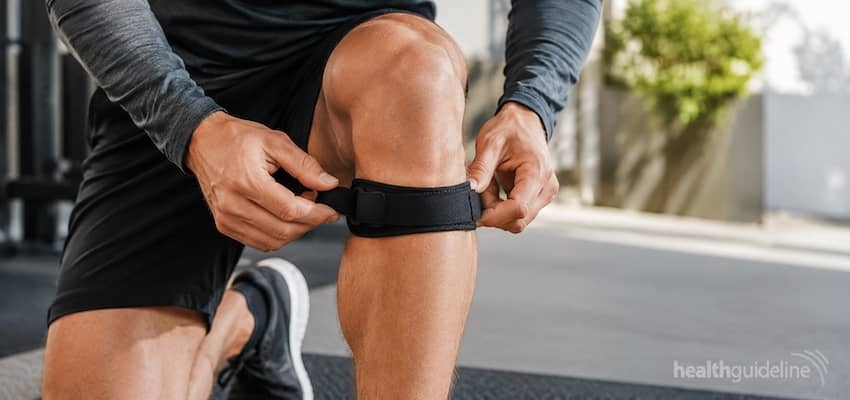
If you feel a sharp or aching pain just below your kneecap when you run, jump, squat, or climb stairs, a patellar tendon strap is one of the simplest, lowest-risk things you can try. This guide compares the best patellar tendon straps for knee pain and jumper’s knee in 2026 — every pick below is a real product currently sold on Amazon, with honest pros and cons, sizing help, and a clear-eyed look at what the research actually shows. Straps are best thought of as symptom support during activity, not a fix for the underlying tendon — more on that below.
Quick Picks
Best overall (premium)
Bauerfeind Sports Knee Strap
Durable, anatomically shaped, with stimulation pads that stay put during hard running and jumping.
Best value classic
Cho-Pat Original Knee Strap
A simple, proven single strap that clinicians have used for 30+ years.
Best budget (2-pack)
CAMBIVO Patella Tendon Knee Strap
Two adjustable straps so you can keep one in each bag.
Reality check: straps reduce pain during activity for many people, but they manage symptoms — they don’t heal the tendon. Pair one with rest and progressive strengthening (see below).
Do patellar tendon straps actually work?
For many people, yes — for reducing pain during activity. In a computational analysis, an infrapatellar strap reduced strain at the jumper’s-knee lesion by roughly 20–34% depending on the model, and several small studies found less knee pain during jumping while wearing one. Straps are a low-cost, low-risk option, but they ease symptoms rather than cure the tendon.
How we chose: we prioritized real products currently sold on Amazon (US) that target the patellar tendon below the kneecap, then favored designs with adjustable, secure compression, comfortable materials for extended wear, a range of sizes, and a track record with runners, jumpers, and everyday users. We did not accept invented specs, prices, or ratings — prices shift constantly, so check each live listing before buying.
Patellar tendon strap comparison (2026)
| Strap | Best for | Type | Standout feature | Approx. price* |
|---|---|---|---|---|
| Bauerfeind Sports Knee Strap | Overall / serious training | Single | Anatomic shape, stimulation pads, stays put | ~$45–$55 |
| Cho-Pat Original Knee Strap | Value / simplicity | Single | Proven design, soft fabric, made in USA | ~$12–$16 |
| Cho-Pat Dual Action Knee Strap | Extra quad/tracking support | Dual | Bands above and below the kneecap | ~$25–$32 |
| CAMBIVO Patella Tendon Strap (2-pack) | Budget / two straps | Single | Cushioned pad, adjustable, value 2-pack | ~$14–$18 |
| McDavid Knee Strap / Patella | Multi-sport durability | Single | Tubular non-slip buttress, trusted brand | ~$12–$18 |
| Pro-Tec Athletics Patellar Tendon Strap | Minimalist everyday wear | Single | Sewn-in tubing, one-hand adjustment | ~$15–$22 |
| Bauerfeind GenuPoint Knee Strap | Targeted massage/stimulation | Single | Gel nubs that fit under the kneecap | ~$40–$50 |
The best patellar tendon straps for knee pain in 2026
01 / BEST OVERALL
Bauerfeind Sports Knee Strap
Bauerfeind is a German orthopedic manufacturer, and its Sports Knee Strap shows it. The anatomically shaped band sits below the kneecap and uses integrated pads to apply targeted pressure to the patellar tendon while you move. Reviewers consistently note that it stays in place during hard running and jumping instead of sliding or loosening — the most common complaint with cheaper straps.
Standout features
- Anatomic, lay-flat design
- Individually adjustable strap
- Stimulation pads
- Lightweight, breathable, washable fabric.
Best for: Athletes with jumper’s knee who train hard and want a strap that won’t need constant re-adjusting.
Pros
- Secure, durable, comfortable for long sessions
- Premium materials.
Cons
- Noticeably more expensive than basic straps
- Single strap only
- Sizing runs specific, so measure carefully.
Who it’s not for: anyone wanting the cheapest option, or who needs above-the-kneecap support too (consider a dual strap instead).
Prefer a gentle massage effect? Bauerfeind’s GenuPoint (below) is the sibling model with gel nubs.
02 / BEST VALUE CLASSIC
Cho-Pat Original Knee Strap
The Cho-Pat Original is the strap many physical therapists picture when they say “patellar strap.” It’s a simple band that applies uniform pressure to the tendon just below the kneecap, and the same basic Cho-Pat design has appeared in research on infrapatellar straps. For a proven, no-frills option at a low price, it’s hard to beat.
Standout features
- soft, comfortable fabric
- even pressure distribution
- long clinical track record
- made in the USA.
Best for: first-time buyers and anyone who wants a straightforward, trusted single strap.
Pros
- Inexpensive
- Comfortable
- Time-tested
- Easy to put on.
Cons
- Basic look
- Below-kneecap support only
- You must measure knee circumference to size it (if between sizes, size down).
Who it’s not for: People who want gel pads, extra quad support, or a two-pack.
03 / BEST FOR EXTRA QUAD AND TRACKING SUPPORT
Cho-Pat Dual Action Knee Strap
The Dual Action adds a second band above the kneecap. The lower band supports the patellar tendon; the upper band reduces some of the pull the quadriceps place on the kneecap and helps guide patellar tracking. If a single strap helps but you want a bit more, this is the natural next step — it’s also popular for chondromalacia and Osgood-Schlatter’s.
Standout features
- Patented above-and-below design
- Breathable neoprene
- Full range of motion
- Adjustable.
Best for: People who want more than a single strap, or whose pain involves kneecap tracking as well as the tendon.
Pros
- Two points of support
- Still allows full mobility
- Well-reviewed for stubborn cases.
Cons
- Bulkier and pricier than a single strap
- More to adjust
- Neoprene can feel warm.
Who it’s not for: minimalists, or anyone who only needs light below-kneecap pressure.
04 / BEST BUDGET
CAMBIVO Patella Tendon Knee Strap (2-Pack)
CAMBIVO’s two-pack is the value pick. Each strap has a cushioned pad that sits against the tendon, a strong hook-and-loop closure, and a design flexible enough to fit most knees and either leg. Getting two straps means one can live in your gym bag and one at home, or you can share a pair — handy if you’re not sure a strap will help before you commit more money.
Standout features
- Shock-absorbing cushion pad
- Fully adjustable pressure
- Breathable neoprene
- Two straps per pack.
Best for: budget-conscious buyers, casual athletes, or anyone testing whether a strap helps them.
Pros
- Low cost per strap
- Comfortable
- Lightweight and discreet under clothing.
Cons
- Less refined than premium brands
- Colors and exact variants change often (confirm on the listing).
Who it’s not for: serious athletes who want a single, high-durability strap for heavy training.
05 / BEST FOR MULTI-SPORT DURABILITY
McDavid Knee Strap / Patella
McDavid is a familiar name in team-sport supports, and its patella knee strap is built to hold up. A tubular, non-slip buttress applies uniform compression to the patellar tendon, and the adjustable closure fits either knee. It’s a solid, durable single strap for pickleball, basketball, running, hiking, and more.
Standout features
- Tubular non-slip buttress
- Adjustable hook-and-loop closure
- Fits either leg
- Multi-sport design.
Best for: recreational and team-sport athletes who want a dependable strap from a known brand.
Pros
- Durable
- Grippy buttress resists sliding
- Widely available.
Cons
- Firmer feel than padded straps
- One size relies on the adjustable strap for fit
- Hand wash only.
Who it’s not for: anyone who finds a rigid buttress uncomfortable or wants dual above/below support.
06 / BEST MINIMALIST EVERYDAY STRAP
Pro-Tec Athletics Patellar Tendon Strap
Pro-Tec has made specialized athletic supports since 1991, and this strap keeps things simple. Sewn-in tubing delivers gentle, even compression to the tendon, and the attachment system lets you tighten it one-handed and keep it in place. It’s a comfortable, low-profile option for everyday aches and lighter activity.
Standout features
- Sewn-in compression tubing
- One-hand adjustment
- Stretchable custom fit
- Low profile.
Best for: people who want a comfortable, unobtrusive strap for daily wear and moderate activity.
Pros
- Easy to adjust
- Stays put
- Comfortable stretch fabric.
Cons
- Lighter compression than firmer straps
- Single below-kneecap support only.
Who it’s not for: Athletes who need maximum, locked-down compression for heavy jumping loads.
07 / BEST FOR TARGETED MASSAGE/STIMULATION
Bauerfeind GenuPoint Knee Strap
The GenuPoint is Bauerfeind’s dedicated patellar strap, designed to sit under the kneecap with gel nubs that press into and gently stimulate the tendon area as you move. If you like the idea of a massaging pad plus targeted compression — and you’re willing to pay a premium — this is the specialist pick.
Standout features
- Gel massage nubs
- Fits under the kneecap
- Individually adjustable
- Premium build.
Best for: Buyers who want the massage-pad sensation and Bauerfeind quality in a dedicated tendon strap.
Pros
- Targeted stimulation
- Secure
- High-quality materials.
Cons
- Premium price
- The nub sensation isn’t for everyone
- Single strap only.
Who it’s not for: Value shoppers, or anyone who prefers a plain flat pad.
Other solid options. If the picks above are out of stock, the DonJoy Performance Webtech Patella Strap and the Mueller Sports Medicine Jumper’s Knee strap are also widely used single straps worth a look. As always, confirm the current listing before buying.
How does a patellar tendon strap work?
A patellar strap is a narrow band worn over the patellar tendon, the thick cord that connects your kneecap (patella) to your shinbone (tibia). Placed just below the kneecap, it does two things. First, it changes the angle at which the tendon pulls, so some of the load that would otherwise strain the irritated fibers is redirected. Second, the compression from the strap’s pad is thought to improve local blood flow and limit swelling.
What does the evidence say? A computational analysis published in Sports Health found that infrapatellar straps reduced patellar tendon strain at the jumper’s-knee lesion — in that model, a DonJoy strap cut strain by an average of about 34% and a Cho-Pat strap by about 20%. In a 2019 study of young athletes, an infrapatellar strap significantly reduced pain in two of four jumping tests, and the authors described it as a local, self-applicable, low-cost option with no side effects. A 2016 randomized trial similarly found that both a patellar strap and sports tape lowered pain during provocative movements like the single-leg decline squat and jump tests.
The honest caveats matter too. The overall research base is modest, and results vary from person to person — one study found that a larger knee, longer-standing symptoms, and more tendon changes were linked to less benefit from a strap. And every source agrees on the key point: a strap relieves symptoms and buys comfort during activity, but it does not repair tendon damage. The deeper work is done by relative rest and progressive strengthening.
The takeaway: Think of a strap as one tool in a plan. Clinical guidance for patellar tendinitis usually centers on activity modification and physical therapy — especially eccentric exercises like decline squats — with a strap and short-term over-the-counter pain relief as supporting players. Surgery is rarely needed.
How to choose a patellar tendon strap
Single strap vs. dual strap. A single band below the kneecap is the classic choice for jumper’s knee and targets the tendon directly. A dual strap adds a second band above the kneecap to reduce quad pull and help kneecap tracking — useful if a single strap helps but you want more, or if your pain involves patellar tracking.
Sizing and fit. Most straps size by the circumference of your leg just below the kneecap, so measure before buying. If you’re between sizes, sizing down usually gives better, more secure pressure. The strap should feel snug and supportive without numbness, tingling, or throbbing — those mean it’s too tight.
Material and comfort. Neoprene is durable and supportive but runs warm; lighter knit fabrics breathe better for long or hot-weather wear. Look for a strong hook-and-loop closure and a pad or buttress that grips without digging in.
Pad style. Options range from a flat compression pad to a tubular buttress to gel nubs. There’s no single “best” — it comes down to how the pressure feels on your tendon, which is personal.
Budget. Effective straps start well under $20, and a two-pack is a low-risk way to try one. Premium straps cost more for better materials, shaping, and durability — worth it for frequent, high-load training, less necessary for occasional aches.
How to position and wear a patellar strap
Manufacturers and clinicians generally suggest wrapping the strap around your leg so the pad sits directly over the patellar tendon — the soft gap between the bottom of your kneecap and the top of your shinbone, roughly a finger’s width below the kneecap. Tighten it so it’s firm and supportive but never painful, and wear it during the activities that aggravate your knee. Take it off if you feel numbness, tingling, increased pain, or skin irritation. A strap works best alongside — not instead of — rest, warm-ups, and a strengthening program.
When to see a healthcare professional
A strap is reasonable for mild-to-moderate, activity-related pain below the kneecap. It is not a diagnosis, and it does little for problems it isn’t designed for, such as osteoarthritis, IT band pain, or instability from a ligament injury. See a doctor or physical therapist if you have severe pain, significant swelling, a knee that gives way or locks, pain at rest or at night, pain after a specific injury, or symptoms that don’t improve with rest and self-care. A professional can confirm what’s actually going on and build a plan that fits you — because the symptoms of jumper’s knee can look like other knee conditions.
Patellar tendon strap FAQ
Do patellar tendon straps really work for jumper’s knee?
For many people they reduce pain during activity. Small studies found less knee pain while jumping with a strap on, and modeling showed reduced tendon strain at the injury site. They’re low-cost and low-risk, but they manage symptoms rather than heal the tendon, so they work best combined with rest and strengthening.
Where exactly should the strap sit?
Position the pad directly over the patellar tendon — the soft spot between the bottom of your kneecap and the top of your shinbone, about a finger’s width below the kneecap. It should feel snug and supportive but never cause numbness, tingling, or throbbing. If it does, loosen or reposition it.
Single strap or dual strap — which is better?
A single strap below the kneecap is the standard choice for patellar tendon pain and is simpler and lighter. A dual strap adds a band above the kneecap to ease quad pull and help kneecap tracking. Choose dual if a single strap helps but you want more support, or if your pain involves tracking too.
Can I wear a patellar strap all day?
Straps are mainly meant for aggravating activity rather than around-the-clock wear. Some people wear one for longer stretches comfortably, but take it off if you notice numbness, tingling, skin marks, or increased pain. For all-day, whole-knee support, a compression sleeve is often more comfortable than a targeted strap.
What’s the difference between a strap and a knee sleeve?
A strap applies focused pressure to one spot — the patellar tendon — and is compact and targeted. A sleeve wraps the whole knee in even compression, which many people find comfortable for all-day support and mild swelling. Straps suit tendon-specific pain during activity; sleeves suit broader, longer-wear support.
How do I size a patellar tendon strap?
Measure the circumference of your leg just below the kneecap and match it to the brand’s size chart. If you fall between two sizes, sizing down usually gives more secure, effective pressure. A good fit is firm and stays in place during movement without cutting off circulation.
Will a strap cure my patellar tendinitis?
No. A strap eases pain and supports the tendon during activity, but it doesn’t repair the underlying tendon. Recovery generally comes from relative rest, activity modification, and progressive strengthening — especially eccentric exercises — often guided by a physical therapist. A strap is a helpful support within that plan, not a substitute for it.
Are patellar straps good for Osgood-Schlatter or runner’s knee?
Straps are commonly used for Osgood-Schlatter’s, and dual straps in particular are also used for kneecap-tracking issues like chondromalacia. They help some people with anterior knee pain, but “runner’s knee” can mean different things, so it’s worth confirming the cause with a professional to make sure a strap is the right tool.
Medical disclaimer: This article is for general information only and is not medical advice. A patellar tendon strap can help manage activity-related knee pain, but it is not a diagnosis or a cure. Talk to a qualified healthcare professional about your specific situation, especially if your pain is severe, worsening, or not improving.