Best Shoes for Nurses: 6 Picks for Long Shifts
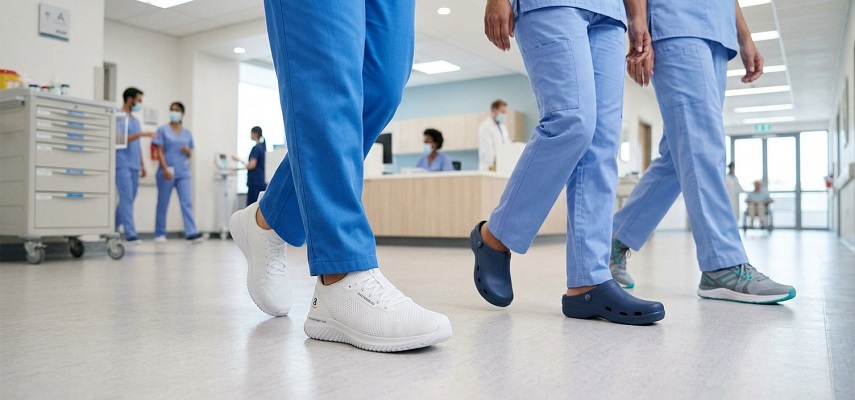
2026 nurse footwear guide · grip, cushioning & fit
For most nurses, the HOKA Bondi SR is the strongest all-around starting point because it combines a slip-resistant work outsole, water-resistant leather upper and a highly cushioned EVA midsole. If you prefer structured arch support, consider the Skechers Work Arch Fit Arcade; for a classic clog shape, the Dansko Professional is the main alternative.
Best shoes for nurses: quick picks
Best overall
HOKA Bondi SR
A cushioned work shoe with a water-resistant leather upper and slip-resistant rubber outsole.
Structured arch support
Skechers Arch Fit Arcade SR
A women’s work shoe with a removable Arch Fit insole and slip-resistant traction outsole.
Best clog
Dansko Professional
A roomy, structured leather clog with a rocker outsole; check your facility’s slip-resistance rules first.
How we chose these nursing shoes
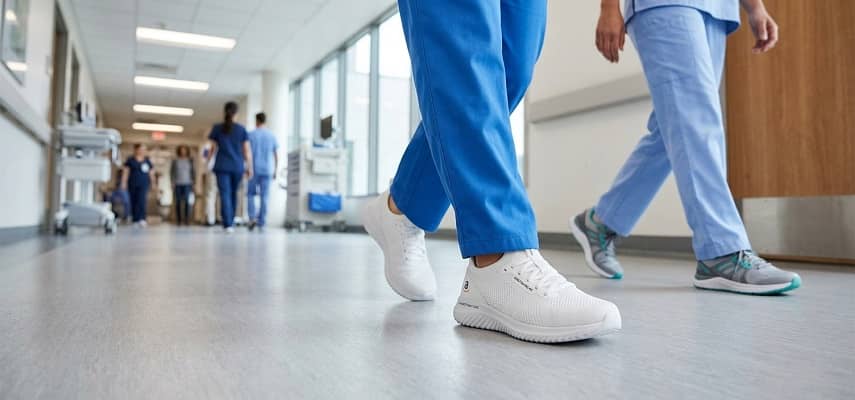
We treated “best shoes for nurses” as a work-footwear question, not a fashion roundup. We compared current manufacturer specifications for outsole traction, cushioning, upper materials, fit options, cleanability and fastening, then checked those features against hospital hazards described by OSHA and fatigue/foot-discomfort guidance from NIOSH. We also separated true work shoes from ordinary running shoes so readers can see when a comfortable athletic shoe may not satisfy a workplace traction policy.
NIOSH notes that nurses who work long hours may have a higher risk of pain or discomfort in areas including the foot, and its healthcare training materials specifically note that standing on hard work surfaces can create foot pain. OSHA identifies wet floors and spills as hospital slip hazards. Those points are why this guide gives fit, cushioning and traction more weight than looks alone. NIOSH on long hours and musculoskeletal discomfort · NIOSH on standing and cushioned shoes · OSHA hospital slip hazards.
What this guide does not claim: We did not wear-test these six shoes, measure their grip ourselves or survey nurses. “Best” labels below are editorial judgments based on verified construction and use-case differences, not a clinical ranking.
Best nursing shoes at a glance
| Shoe | Best for | Traction / work design | Main trade-off |
|---|---|---|---|
| HOKA Bondi SR | Best overall | Slip-resistant work outsole; water-resistant leather | Bulkier and less airy than a mesh running shoe |
| Skechers Arch Fit Arcade SR | Structured arch-support feel | Slip-resistant traction outsole; EH-rated design | Decorative-lace design offers less conventional lace adjustment |
| Dansko Professional | Classic structured clog | PU rocker outsole; APMA Accepted | We do not treat the standard Professional as a verified slip-rated work shoe |
| Crocs On The Clock | Easy-on work slip-on | Crocs Lock traction; ASTM F2913-24 tested and F3445-24 certified | Relaxed molded fit is very different from a lace-up sneaker |
| FILA Memory Workshift | Budget / wide-width work shoe | Slip-resistant rubber outsole; wide-width format | Leather/synthetic build is less breathable than open mesh |
| Brooks Ghost 17 | Breathable walking option | Road-running/walking outsole; not marketed as a slip-rated work shoe | Not the pick when your employer requires work-specific slip resistance |
Check your employer’s footwear policy before buying. A hospital or unit may require an enclosed toe and heel, a specific color, fluid-resistant materials or a particular slip-resistance standard. A shoe that feels comfortable can still be unsuitable for your workplace.
The six best shoes for nurses in 2026
01 / BEST OVERALL
HOKA Bondi SR
The HOKA Bondi SR is our best all-around pick for nurses who want a work-specific shoe with substantial cushioning. HOKA pairs a water-resistant leather upper with an EVA midsole and slip-resistant, full-ground-contact rubber outsole. It is more work-oriented than a standard Bondi running shoe, but the leather build is also warmer and bulkier than mesh.
HOKA Bondi SR — view on Amazon
Key features
- Water-resistant leather upper
- Slip-resistant rubber outsole designed for professional use
- EVA midsole with high-cushion work-shoe construction
- Full-ground-contact rubber footprint
Pros
- Work-specific outsole rather than a regular running outsole
- Water-resistant leather is practical around routine splashes
- High-cushion platform suits buyers who dislike firm work shoes
Cons
- Chunkier than most traditional nursing shoes
- Leather is less breathable than an open-mesh upper
- Maximum cushioning is not everyone’s preferred feel
Best for: Nurses who want substantial cushioning plus a work-specific slip-resistant outsole.
Who this isn’t for: Anyone who prioritizes the lightest, coolest-running shoe, or whose workplace requires a certification not stated for the exact Bondi SR version being purchased.
If you are comparing nurse footwear beyond one profession, see our best shoes for healthcare workers guide.
02 / STRUCTURED ARCH-SUPPORT FEEL
Skechers Work Slip-Resistant: Arch Fit Arcade
The Skechers Work Slip-Resistant: Arch Fit Arcade is a strong option for nurses who prefer a more structured insole feel without moving to a heavy clog. Skechers gives this women’s model a removable Arch Fit insole, a slip-resistant traction outsole and a leather/synthetic upper. The decorative-lace design is convenient, but it does not adjust like a conventional performance lace-up.
Skechers Work Arch Fit Arcade SR — view on Amazon
Key features
- Removable Skechers Arch Fit insole
- Slip-resistant traction outsole
- Electrical Hazard design tested to ASTM F2892
- Leather and synthetic upper with a lightweight cushioned midsole
Pros
- Work-specific slip-resistant outsole
- Removable insole makes the underfoot setup easier to customize
- Lower-profile look than a maximum-cushion work shoe
Cons
- Decorative-lace construction offers less fine adjustment than a standard lace-up
- A pronounced arch shape can feel wrong if it does not match your foot
Best for: Nurses who want a women’s slip-resistant work shoe with a removable, structured insole.
Who this isn’t for: Buyers who need maximum lacing adjustability or who find a prominent arch contour uncomfortable.
For more models from this brand, see our Skechers nurse shoes guide.
03 / BEST CLASSIC CLOG
Dansko Professional Clog
The Dansko Professional is the classic choice for nurses who prefer a structured clog rather than a sneaker. Its roomy reinforced toe box, contoured footbed, inner frame and PU rocker outsole create a very different feel from foam-heavy running shoes. It is APMA Accepted, but we would not choose the standard Professional solely for slip resistance unless your exact version and workplace requirements align.
Dansko Professional Clog — view on Amazon
Key features
- Roomy reinforced toe box
- Contoured footbed and supportive inner frame
- PU rocker outsole with a wide heel strike
- Leather upper; regular and selected wide options
Pros
- Roomy toe area
- Easy-on clog design
- Structured rocker platform instead of a soft running-shoe feel
Cons
- The heel is designed to move in the clog, which feels unusual if you expect a locked-in sneaker fit
- Heavier and firmer-feeling than many mesh sneakers
- Do not assume the standard Professional meets a required workplace slip test
Fit note: Dansko says the Professional is supposed to fit loosely, with the heel moving up and down as you walk. That is intentional clog fit, not the same heel hold you would expect from a lace-up sneaker.
Best for: Nurses who already know they like a structured clog and have confirmed that their facility allows this type of footwear.
Who this isn’t for: People who want a snug heel, a light mesh feel, or a clearly stated work slip-resistance certification for the exact shoe.
04 / EASY-ON WORK SLIP-ON
Crocs On The Clock Work Slip-On
The Crocs On The Clock Work Slip-On is the practical pick for nurses who want an enclosed, easy-on shoe rather than an open Classic Clog. Crocs lists an enclosed toe and heel, Crocs Lock slip-resistant treads and current ASTM testing/certification. The trade-off is fit: its relaxed molded shape feels very different from a lace-up shoe and may not suit every foot.
Crocs On The Clock Work Slip-On — view on Amazon
Key features
- Enclosed toe and heel
- Crocs Lock slip-resistant treads
- ASTM F2913-24 tested and ASTM F3445-24 certified
- Relaxed fit with a tapered heel area
Pros
- Work-focused traction credentials are clearly stated
- No laces to tie during a shift
- Enclosed design is more workplace-oriented than the ventilated Classic Clog
Cons
- No lace adjustment across the midfoot
- Molded fit can feel roomy compared with a sneaker
Best for: Nurses who want an enclosed slip-on with explicit work-traction specifications.
Who this isn’t for: Anyone whose unit prohibits this shoe type or who needs precise lace-based fit adjustment.
See our separate Crocs for nurses guide for more context on workplace-friendly Crocs styles.
05 / BUDGET & WIDE-WIDTH PICK
FILA Women’s Memory Workshift Slip Resistant
The FILA Women’s Memory Workshift is the value-oriented pick for nurses who want a wide-width work shoe with a familiar lace-up shape. FILA lists a memory-foam cushion, leather/synthetic upper and slip-resistant rubber outsole. It is less airy and less plush than premium running-inspired work shoes, but its straightforward construction makes it a sensible budget comparison.
FILA Women’s Memory Workshift — view on Amazon
Key features
- Wide-width work-shoe format
- Memory-foam cushioning
- Leather and synthetic upper
- Slip-resistant rubber outsole
Pros
- Wide option is useful for shoppers who feel squeezed in standard work sneakers
- Work-specific slip-resistant outsole
- Usually positioned below premium nurse-shoe models
Cons
- Leather/synthetic upper does not ventilate like open mesh
- Memory foam gives a different feel from responsive performance-shoe foams
Best for: Price-conscious nurses seeking a wide-width, slip-resistant lace-up work shoe.
Who this isn’t for: Buyers who want the lightest possible mesh upper or a high-stack, maximum-cushion ride.
06 / BREATHABLE WALKING OPTION
Brooks Ghost 17
The Brooks Ghost 17 is the breathable option for nurses whose workplace allows ordinary athletic footwear and does not require a rated work outsole. Brooks positions the Ghost 17 for everyday running and walking, with an air-mesh upper and added heel/forefoot cushioning. It can make sense on reliably dry floors, but it should not be mistaken for a certified slip-resistant nursing shoe.
Brooks Ghost 17 — view on Amazon
Key features
- Air-mesh upper for breathability and structure
- Added cushioning in the heel and forefoot
- Designed for everyday running and walking
- Smooth heel-to-toe transition geometry
Pros
- More breathable than leather work shoes
- Walking-focused cushioning without a clog-style platform
- Traditional lace-up fit
Cons
- Not marketed as a healthcare or slip-resistant work shoe
- Mesh is less wipeable than smooth leather or molded uppers
Important: Choose the Ghost 17 only if your facility permits ordinary athletic shoes and its traction requirements are suitable for your work area. For wet-floor or spill-prone environments, start with a work-specific slip-resistant model instead.
Best for: Nurses who prioritize a breathable walking/running-shoe feel in a workplace that does not require a work-rated outsole.
Who this isn’t for: Anyone whose employer requires slip-resistant work footwear or an easily wiped upper.
If you specifically prefer athletic-shoe construction, our best tennis shoes for nurses guide covers that category in more detail.
What should nurses look for in work shoes?
Do nurses need slip-resistant shoes?
Many nurses benefit from work-specific traction because wet floors and spills are recognized hospital hazards, but the exact requirement comes from your employer. OSHA’s hospital guidance focuses on keeping floors clean and dry and controlling spills; it does not make every “non-slip” marketing label equivalent. Check your unit’s written footwear policy and the exact outsole standard a shoe states.
For a broader comparison of outsole-focused options, see our slip-resistant work shoes guide.
How much cushioning is useful for long nursing shifts?
Cushioning can make hard floors feel more tolerable, but more foam is not automatically better for every person. NIOSH healthcare guidance says standing on hard work surfaces can create foot pain and suggests well-cushioned shoes when possible. The useful target is a shoe that feels comfortable and stable for your gait—not simply the thickest midsole on the shelf.
Should nursing shoes be leather, mesh or molded?
Choose the upper around your actual unit. Smooth leather and molded uppers are generally easier to wipe, while mesh usually feels cooler and lighter. Neither is universally “best.” Infection-control rules, exposure to fluids, dress code and local cleaning instructions matter more than a generic recommendation, and you should follow the manufacturer’s care directions.
How should nursing shoes fit?
A work shoe should hold the heel comfortably, give the toes room to move and avoid pressure points once you have been on your feet for a while. Do not assume your usual size will fit identically across brands. Measure both feet, use the manufacturer’s chart, and try work socks with the shoe. Clogs such as the Dansko Professional intentionally fit differently from lace-up sneakers.
Are wide shoes better for nurses?
Wide shoes are helpful only when your foot actually needs the extra room. A shoe that is too narrow can create pressure, while one that is too wide may allow unwanted movement. If your forefoot feels cramped after standing or walking, compare a true wide size rather than automatically buying a longer shoe. The FILA Memory Workshift is one budget-friendly wide option in this guide.
Running shoes or work shoes—which are better for nurses?
A running shoe can be lighter and more breathable, but a work shoe is the better default when your facility requires slip resistance, enclosed construction or wipeable materials. That is why the Brooks Ghost 17 appears here as a conditional option rather than the overall winner. For more occupational choices, compare our healthcare-worker shoe guide.
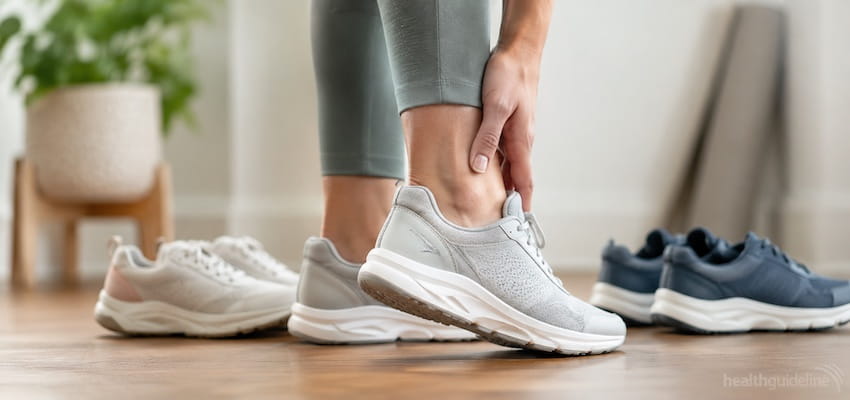
What if your feet hurt during or after nursing shifts?
Foot discomfort after long shifts can have many causes, and changing shoes does not diagnose or treat the underlying problem. NIOSH notes that long work hours can be associated with musculoskeletal discomfort, including in the foot. If pain keeps returning, affects how you walk or is accompanied by numbness, tingling or persistent swelling, it is worth discussing with a qualified healthcare professional.
Mayo Clinic recommends medical attention for serious pain or swelling, inability to bear weight, signs of infection, or foot pain with certain other warning signs; persistent pain, swelling, burning, numbness or tingling can also justify an office visit. See Mayo Clinic’s foot-pain guidance.
Plantar fasciitis or heel pain? A shoe guide cannot tell you which condition you have. If you have already been diagnosed and want footwear features to discuss with your clinician, see our shoes for nurses with plantar fasciitis and shoes for heel pain guides.
Can compression socks help during long shifts?
Some nurses use compression socks for leg comfort or for a clinician-recommended reason, but they are separate from shoe selection and are not appropriate for everyone. If you are considering them, check the compression level, sizing and any medical contraindications rather than treating “tighter” as better. Our compression socks for nurses guide explains the options.
Frequently asked questions
What are the best shoes for nurses in 2026?
Our best overall pick is the HOKA Bondi SR because its current work-shoe design combines a slip-resistant rubber outsole, water-resistant leather upper and substantial EVA cushioning. Skechers Work Arch Fit Arcade is better for a structured removable insole, while Crocs On The Clock is the easier-on slip-resistant option. Your employer’s footwear rules should decide which category is acceptable.
Are HOKA Bondi SR shoes good for nurses?
They are a strong fit for many nursing environments because HOKA specifically positions the Bondi SR for professional use and gives it a water-resistant leather upper, EVA cushioning and slip-resistant outsole. The downsides are bulk, warmth and a high-cushion feel that not everyone likes. Confirm your facility’s exact outsole and dress-code requirements before buying.
Do nurses need slip-resistant shoes?
Not every employer uses the same rule, but slip resistance is a sensible priority in areas where wet floors and spills occur. OSHA identifies those as hospital hazards. Check your facility’s policy for enclosed toes, heels, colors and required test standards; “non-slip” marketing language alone does not prove that two shoes provide the same level of traction.
Are clogs or sneakers better for nurses?
Neither shape is universally better. Clogs such as the Dansko Professional offer a roomy toe box and structured rocker platform, while lace-up sneakers provide more fit adjustment and can feel lighter. Work-specific sneakers may also state slip-resistance tests more clearly. Choose the construction that fits your foot, duties and employer policy rather than the style most coworkers wear.
Can nurses wear Crocs?
That depends on the model and workplace policy. The ventilated Classic Clog is different from the Crocs On The Clock Work Slip-On featured here, which has an enclosed toe and heel plus work-focused slip-resistant treads. Some hospitals may still restrict Crocs or require other specifications, so check your employer’s written policy before purchasing a pair for clinical work.
What shoes are best for nurses with plantar fasciitis?
There is no single shoe that treats plantar fasciitis for every nurse. A comfortable fit, appropriate cushioning and support may matter, but the right setup depends on your diagnosis, foot shape, symptoms and any orthotic plan. If heel pain is persistent, get it assessed rather than relying on a shoe alone. See our dedicated plantar-fasciitis nursing shoe guide.
How often should nurses replace work shoes?
There is no evidence-based replacement calendar that fits every nurse and every shoe. Inspect the outsole for worn traction, check whether the midsole feels permanently compressed, look for damaged uppers or heel counters, and notice meaningful changes in fit or comfort. High-use shoes can wear faster; follow the manufacturer’s guidance and replace footwear that no longer performs as intended.
This article provides general information, not medical advice. A shoe cannot diagnose, prevent or cure a foot condition. Talk to a qualified healthcare professional about persistent symptoms, an injury, orthotics or condition-specific footwear.